NOMOS: He Had No Money and No Watch Training. He Built a German Watch Brand Anyway.
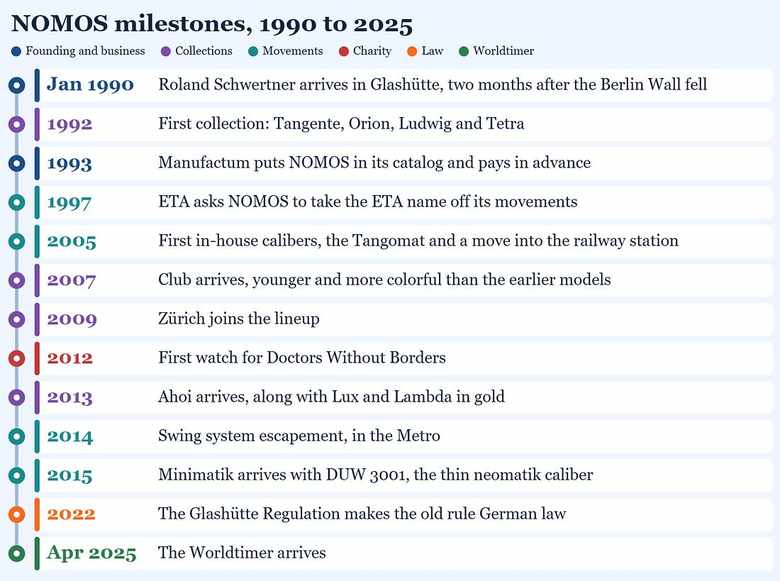
Two months after the Berlin Wall fell, Roland Schwertner drove into the East German watch town of Glashütte. 36 years later, buyers wait up to 8 months for a NOMOS Worldtimer.
During East Germany’s four decades, its state watch factory in Glashütte employed more than 2,000 people at its peak, about half the town, and made about 500,000 watches a year. After the Berlin Wall came down, the Treuhand, the agency that privatized East German companies, needed four years to find a buyer, and the factory started over with 72 employees.
That is the town a photographer walked into in January 1990, two months after the Berlin Wall fell on November 9, 1989. He had no money and no watchmaking training, and he described himself as neither Swiss nor a watchmaker. Then he started a watch company.
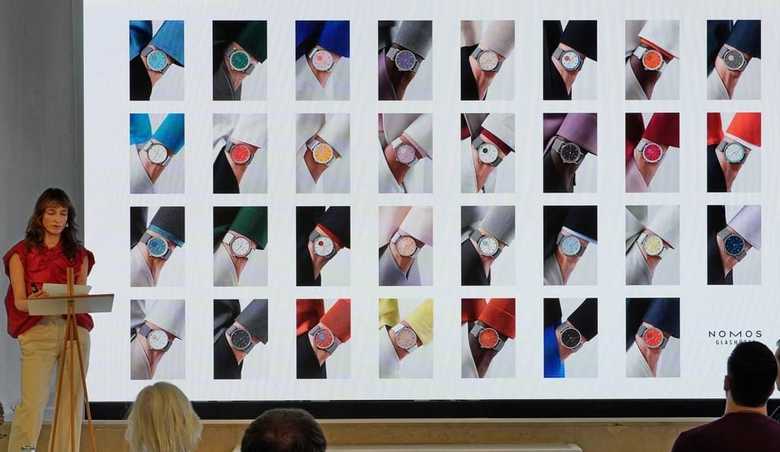
Thirty-six years later, NOMOS says no other German maker produces more mechanical watches. We bought five of its watches at Wempe, the German jeweler, in New York. Four are Worldtimers, the model that shows the time around the world, and the fifth, the Dark, is still on its way, because Worldtimer waits run 6 to 8 months. NOMOS got there the hard way, which included 13 years of doing something the town frowned on. How does a photographer with no money and no training build a brand people wait months to own?
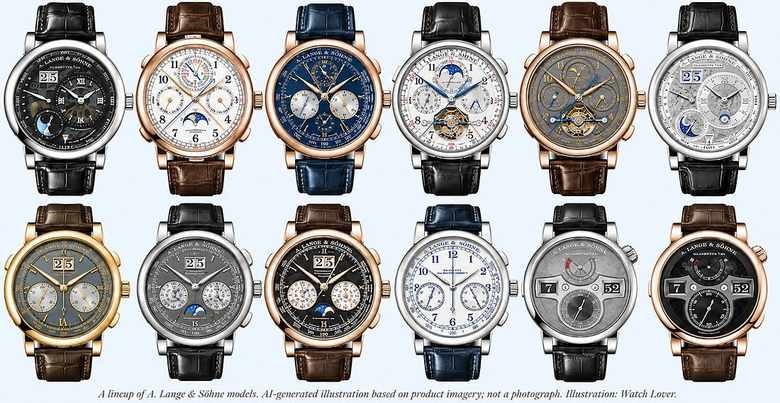
For readers new to the brand, a short overview. NOMOS Glashütte is a watchmaker in Glashütte, a town in the Ore Mountains of Saxony, in the former East Germany. It builds its own movements, the mechanical engines inside its watches, and sells its watches at around 500 points of sale in more than 60 countries. About a dozen brands make watches in Glashütte today, and NOMOS is independent and owner-operated. Two neighbors come up in this story: A. Lange & Söhne, the luxury brand named for the town’s watchmaking founder and now owned by the Swiss group Richemont, and Glashütte Original, which grew out of the old state factory and is owned by the Swiss Swatch Group.
THE TOWN THAT RAN OUT OF SILVER
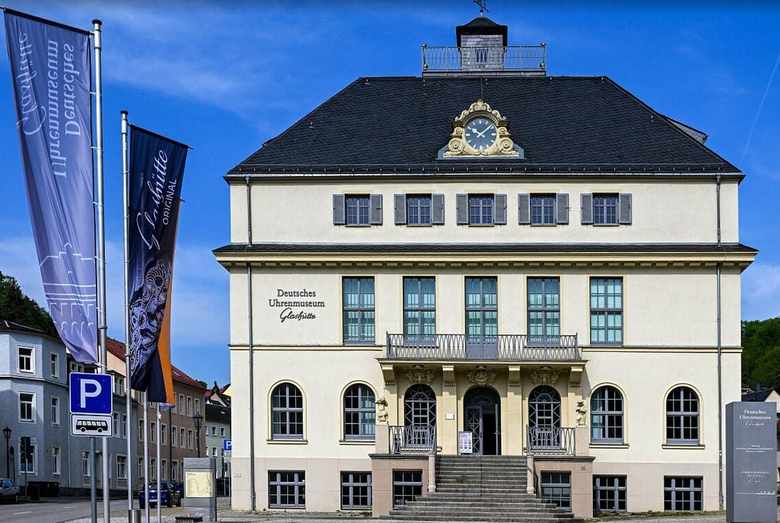
Glashütte began as a silver-mining town, and when the mines ran dry in the first half of the 1800s, the jobs went with them. Ferdinand Adolph Lange, a watchmaker from Dresden, was not yet 30 when he began writing to the royal government of Saxony in 1843. He kept writing until it agreed in 1845 to lend him money. He opened the first workshop that year, trained straw braiders and miners as watchmakers, and met the loan’s one condition: 15 apprentices. His letters were the nineteenth-century version of an email thread nobody could close, and the payoff was a workforce of people who never made a watch. His company became A. Lange & Söhne.
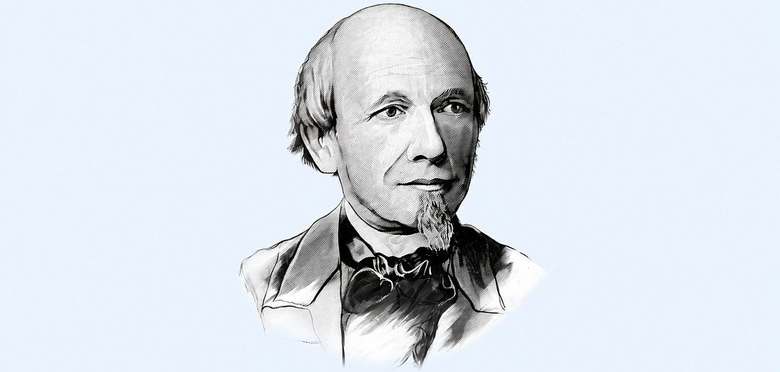
The plan worked, and Glashütte became the center of German watchmaking. By the early 1860s, 80 watchmakers were making about 800 watches a year for four companies in town. Moritz Grossmann, whom his friend Lange persuaded to settle there, opened his own workshop in 1854 and led the German Watchmaking School, which opened in 1878. The Mühle family began making measuring instruments for the trade in 1869, and Union opened a watch factory in 1893. In 1918 the surviving firms formed a cooperative factory, which went bankrupt in the inflation of the 1920s, and in 1926 and 1927 a young lawyer named Ernst Kurtz built two companies from its ruins, UROFA and UFAG, whose best watches carried a quality mark called Tutima.
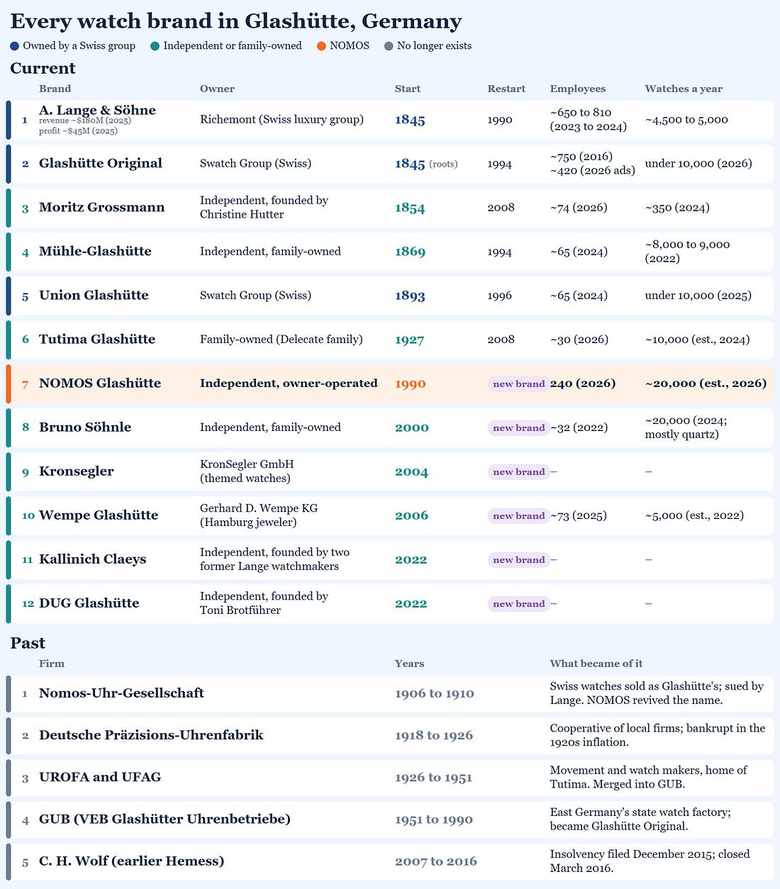
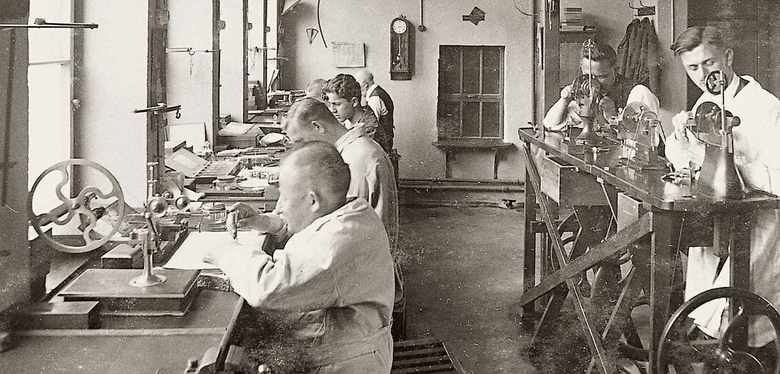
Then came the 20th century. Glashütte’s trade in exclusive pocket watches collapsed in 1914, the town was bombed on May 8, 1945, the last day of the war in Europe, and the Soviets dismantled the factory equipment. In 1951 East Germany fused six of the old companies, A. Lange & Söhne included, into one state-owned factory, GUB, short for VEB Glashütter Uhrenbetriebe, the state-owned Glashütte watch works. Its assignment was to supply East Germany and the other members of Comecon, the Soviet-led trading bloc, with watches. The hard currency came from the West: about a third of the movements in its best seller, the Spezimatic, an automatic built about 3.6 million times between 1964 and 1978, were exported, and West German mail-order houses such as Quelle sold the watches. For about four decades GUB was Glashütte’s watch industry, and the old names left the dials: Lange, the makers behind Tutima, whose founder fled west in 1945 and restarted near Bremen, and in time the Mühle family’s firm, expropriated in 1972.
After the Berlin Wall fell, the old names came back. Walter Lange, Ferdinand’s great-grandson, revived A. Lange & Söhne at the end of 1990, 145 years after the original company began. In 1994 Hans-Jürgen Mühle restarted his family’s firm, which made its first wristwatches in 1996. GUB took longer to sell. In 1994 a Bavarian entrepreneur, Heinz W. Pfeifer, bought it and renamed it Glashütte Original, which revived Union in 1996, and the Swiss Swatch Group bought both in 2000. In 2008 the Delecate family began moving Tutima back to Glashütte, and the watchmaker Christine Hutter revived the name of the 19th-century master Moritz Grossmann. Today about a dozen brands make watches in Glashütte again.
1990: THE PHOTOGRAPHER
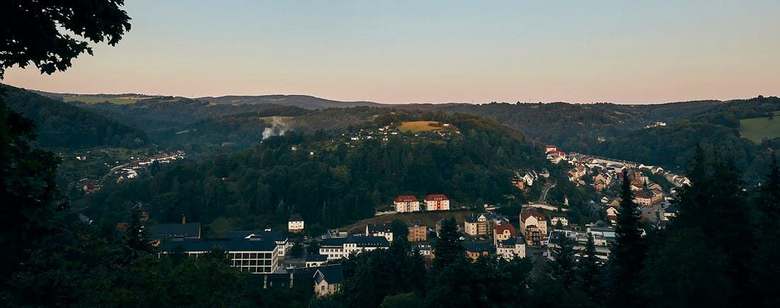
Roland Schwertner, a bookkeeper, photographer and IT specialist from Düsseldorf, in West Germany, drove into Glashütte on January 10, 1990, in an already old Ford 20 M coupé. He remembers coal piles at the front doors and people and buildings the color of ash. He advised the Düsseldorf watch company M&M and heard that the town had know-how and tradition, though nobody really knew. As the first visitor from the West, carrying that company’s business card with his own name in place of the managing director’s, he was received by the directors of GUB like a rich uncle from America. The marketing budget was one edited business card.
Soon after, he registered several trademarks in Berlin, NOMOS among them, just before Walter Lange revived A. Lange & Söhne later that year, according to NOMOS CEO Uwe Ahrendt, a Glashütte native. NOMOS was the first watch brand to restart in Glashütte.
Schwertner had no money and no sales force. He hired three watchmakers, set up in a rented three-room apartment, shared a phone line with Heidi’s Imbiss, a snack bar, and signed his first 50 retailers by phone. NOMOS’s first sales department was a shared line and a lot of nerve. He financed the start with “Friends, Family and Fools,” and for the first seven years he lived under constant threat of bankruptcy. Ahrendt sums up the start by quoting him: “No Swiss, No watchmakers, No money.”
Read Watch Words, Part 2: Who Really Owns Your Swiss Watch?
1992: THE BAUHAUS WATCH
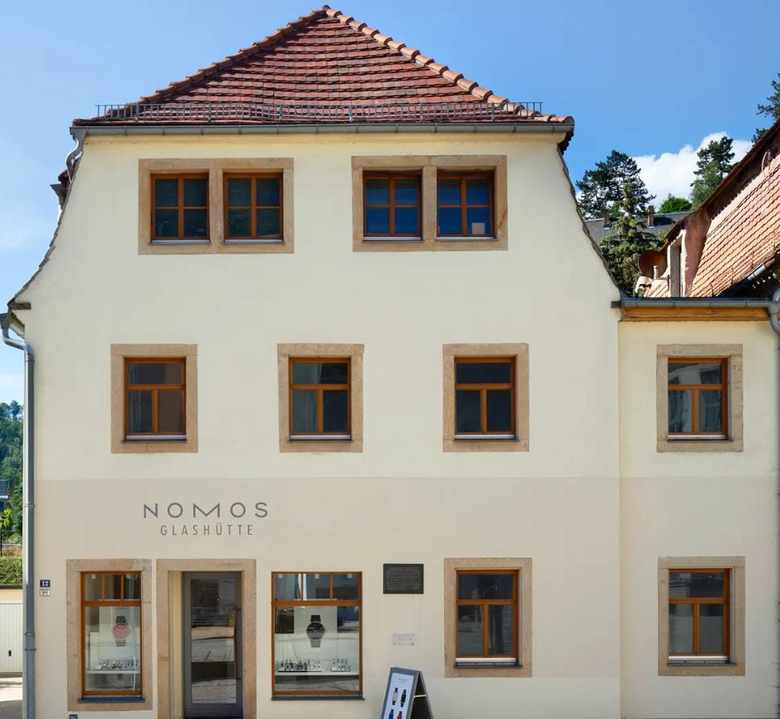
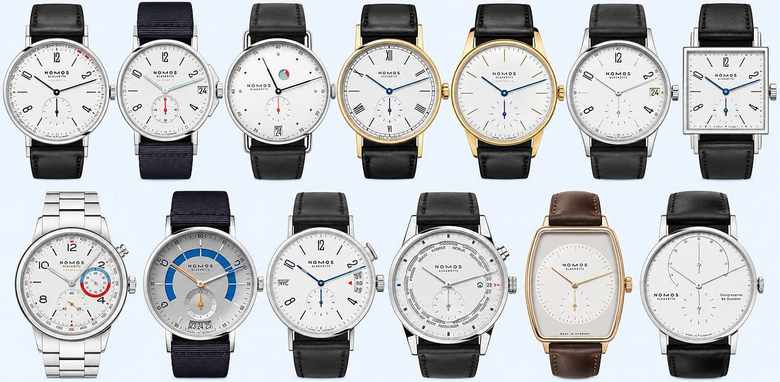
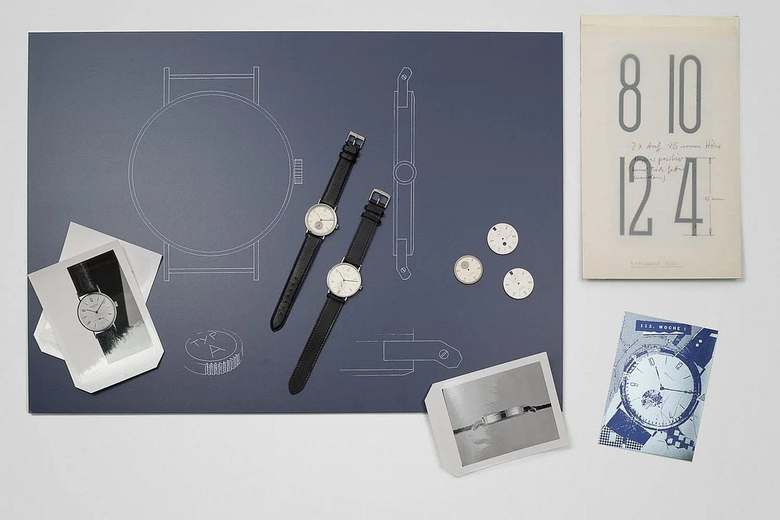
NOMOS launched in 1992 with four hand-wound watches: the Tangente, Orion, Ludwig and Tetra. Graphic designer Susanne Günther drew them in the style of the Bauhaus, the German design school, plain and geometric, after she and Schwertner found a 1937 dial in old publications. In a town known for ornate luxury pocket watches, a watch with nothing to hide was a risk. It became the brand’s signature. In 1993 the German mail-order retailer Manufactum added NOMOS to its catalog and paid in advance for the watches, which saved Schwertner at the time.
1992 TO 2005: THE THIRTEEN-YEAR ASTERISK
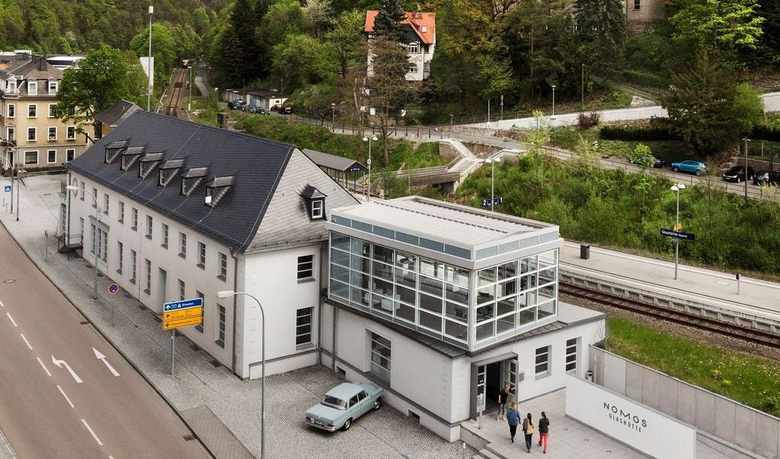
Here is the part NOMOS would rather skip. Glashütte had an old rule, set in 1930 by the Dresden Chamber of Industry and Commerce, that a watch had to be essentially made in the town to carry its name. The rule never said what “essential” meant, a gap wide enough to drive an old Ford through. NOMOS, the new brand with the town’s name on its dial, ran Swiss movements inside its watches, and competitors went to court to stop it from printing that name. The name already had a troubled history in town. In 1906 a different company called Nomos sold Swiss pocket watches engraved with Glashütte’s name and left town in 1910 after A. Lange & Söhne sued, and Schwertner revived that name in 1990. NOMOS is Greek for law, an apt name for a company that spent its first 13 years arguing about one. NOMOS was not alone, since Glashütte Original also sold watches under the GUB name with bought Swiss movements after 1990. NOMOS modified its movements so heavily that in 1997 ETA, the Swiss movement maker owned by the Swatch Group, asked it to take the ETA name off them, an awkward kind of compliment.
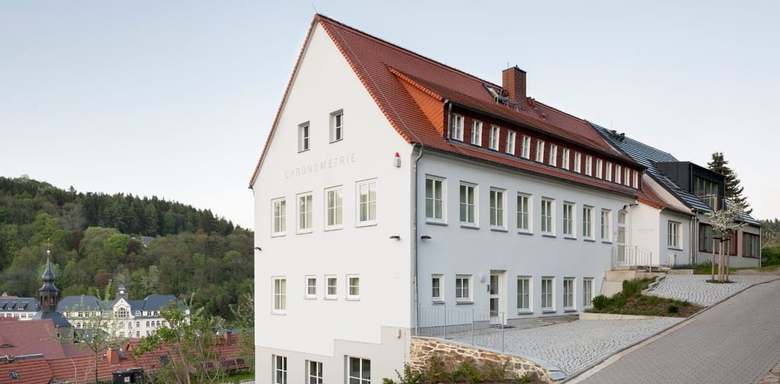
In March 2005 its 54 employees moved into the town’s old railway station, which at least explains the punctuality. That year it switched to its own calibers, the named models of movement, and the Tangomat, named as a tribute to the Tangente, was its first automatic, a watch that winds itself. Schwertner said NOMOS should now be respected as a true watch manufacture.
Read Watch Words, Part 3: How Swiss Is a Swiss Made Watch?
THE TRIO
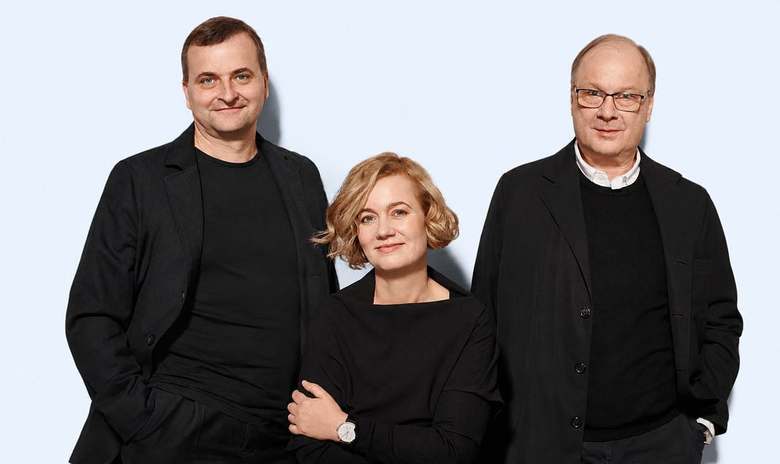
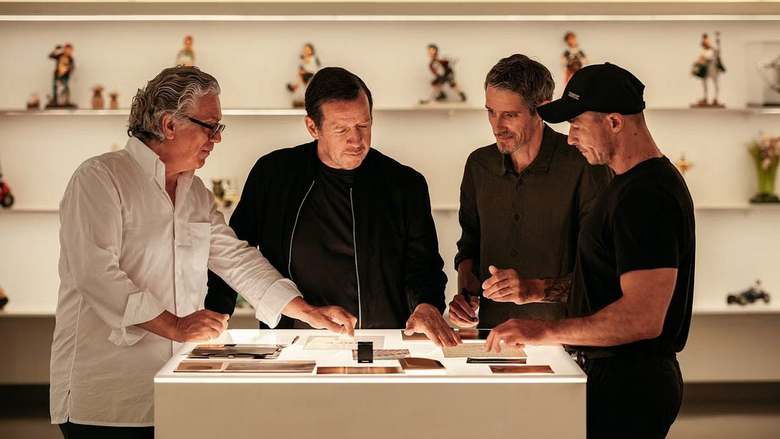
Ahrendt trained as a toolmaker and worked at the Swiss watchmaker IWC and at A. Lange & Söhne before joining NOMOS in 2000. In 2002 he became a partner, along with Judith Borowski, a West German journalist who took over marketing and design. She leads Berlinerblau, NOMOS’s in-house design studio in Berlin, a little over two hours north of Glashütte, so the watches are made in a small Saxon town and designed in the capital. Ahrendt says Glashütte offers watchmaking quality and tradition and little design inspiration. Schwertner handled strategy, Borowski brought big-city spontaneity, and Ahrendt kept the product precise.
2013 TO 2015: SEVEN YEARS FOR ONE PART
In 2013 NOMOS grouped its calibers under the name Deutsche Uhrenwerke, German watch movements, shortened to DUW. In 2014 it introduced the swing system, its own escapement, the tiny part that passes a watch’s power to its hands, in a new watch called the Metro. One part took seven years and about $12M, with help from European Union regional development funds and the Technical University of Dresden, and Ahrendt says it made NOMOS independent of Swiss suppliers. In 2015 it launched the DUW 3001, a thin automatic caliber that NOMOS calls neomatik.
In 2022 Germany turned the old Glashütte rule into law, the Glashütte Regulation: a watch may carry the town’s name only if it is assembled, regulated and cased in Glashütte, and more than 50% of the value in making the movement, casing it and testing the finished watch is created there. The company that once bought Swiss movements now holds the standard.
Ahrendt says NOMOS does not want the brand to “take off” and prefers to grow step by step. The Worldtimer wait of 6 to 8 months has other plans. Its annual Forum NOMOS event meets in a former church, which also hosts an artist in residence for two weeks a year; in 2026 Niklas Roy, an artist from Berlin, built a working pendulum clock there out of NOMOS’s scrap. Its after-sales service runs from a former hotel. NOMOS collects the town’s old buildings the way other brands collect ambassadors. New employees get a Tangente on their first day and keep it if they pass their trial period.
THE RED TWELVE
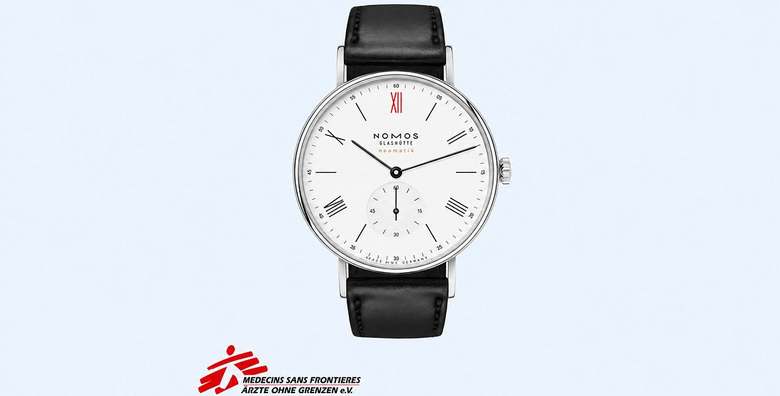
In 2012 NOMOS began making watches for Doctors Without Borders (Médecins Sans Frontières), the humanitarian group that won the Nobel Peace Prize in 1999. Each edition carries a red XII, the hour of emergency, on a white dial. For the group’s 50th anniversary in 2021, NOMOS made a Tangente 38 that cost no more than the standard one, and about $115 from every sale went to the group, half paid by NOMOS and half by the retailer. By early 2025 NOMOS sold more than 11,000 of these watches and raised more than $1.5M. A company that started with no money now gives money away, one watch at a time.
OUR NOMOS WATCHES
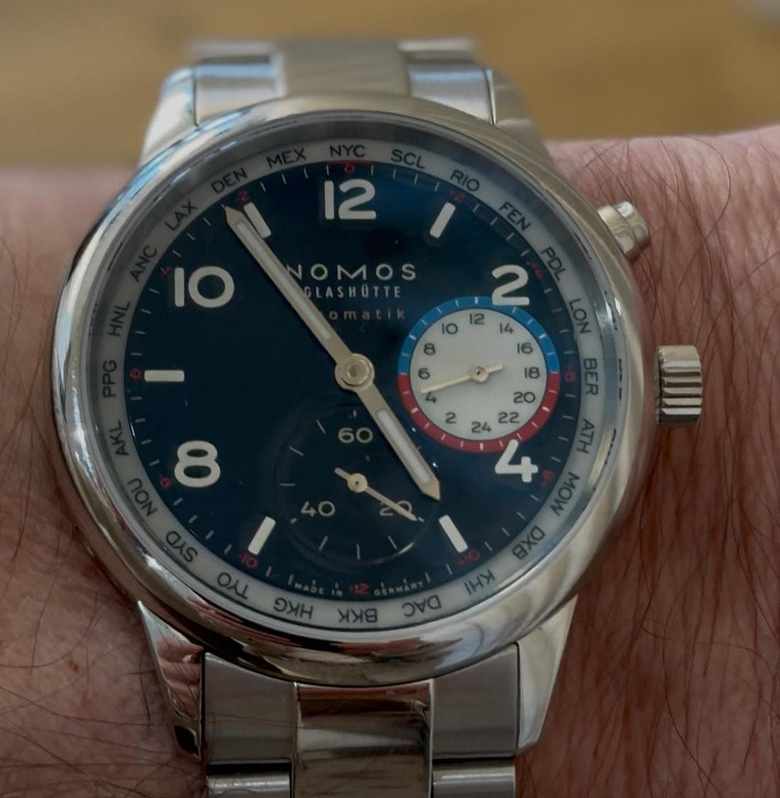
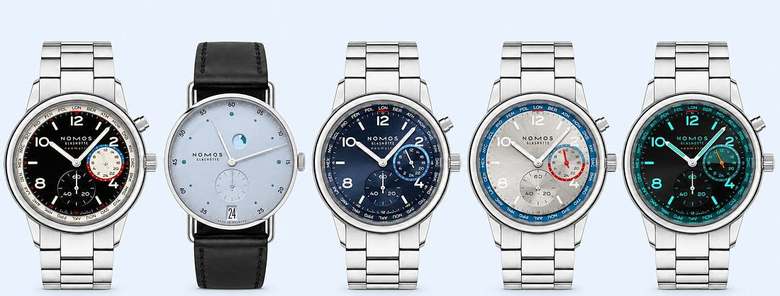
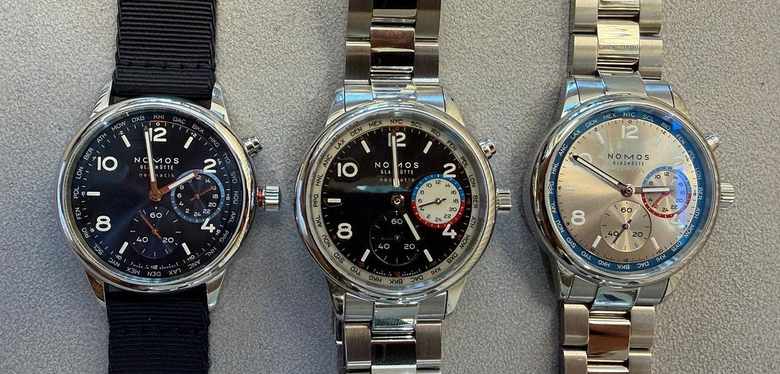
We bought all five at Wempe, kept three, gave one away and are waiting on the fifth. The Worldtimer, new in April 2025, comes in blue, silver, white and a black enamel Dark. Our first NOMOS was the silver Worldtimer, the playful one, with a blue and red 24-hour ring. The second was the Trace, a limited Worldtimer of 175 pieces with a black dial and bright turquoise lettering, like the gauges of a car or a cockpit at night. The third, a blue Club Sport neomatik Worldtimer, went to our much younger brother for his birthday, his first mechanical watch. A Worldtimer keeps two clocks, one for where you are and one for home. For anyone with people on the other side of the world, that is a small mercy.
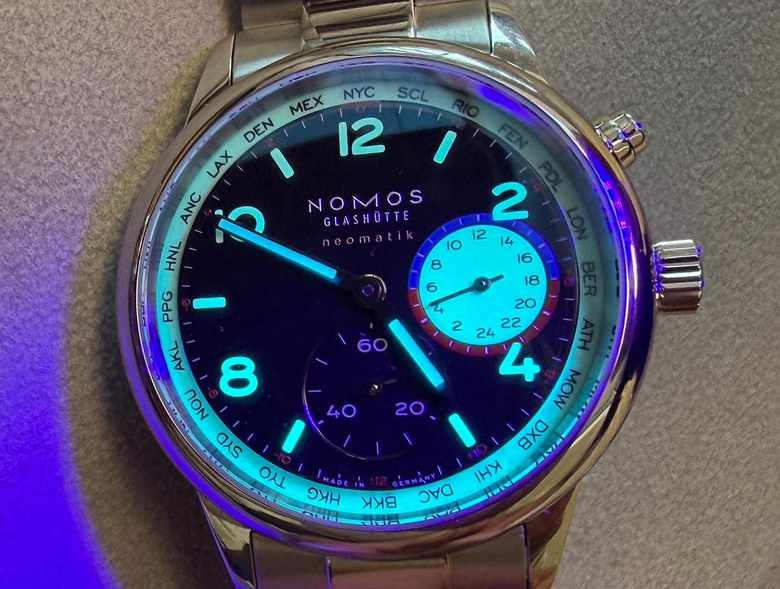
The fourth is the Metro Date Power Reserve Ice Blue, our only hand-wound watch and the only one that is not a Worldtimer. Its metallic dial shifts from pale blue to almost white as the light changes, and an indicator near 12 shows how much of its 52 hours is left. The fifth, the Dark, is still on its way, with an 8-month delivery time. It has a black enamel dial that glows aqua in the dark, the closest a watch comes to stage lighting.
A VISIT TO THE LOUNGE
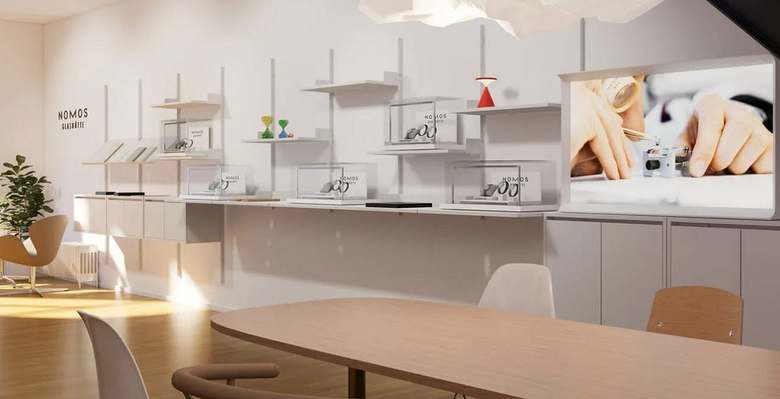
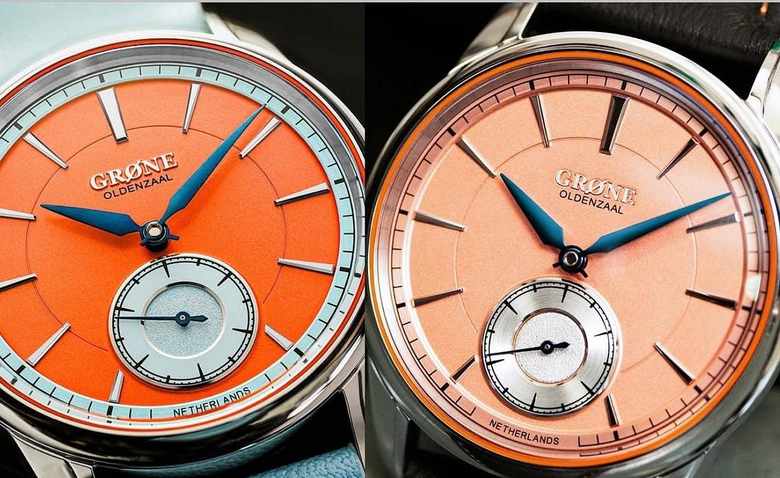
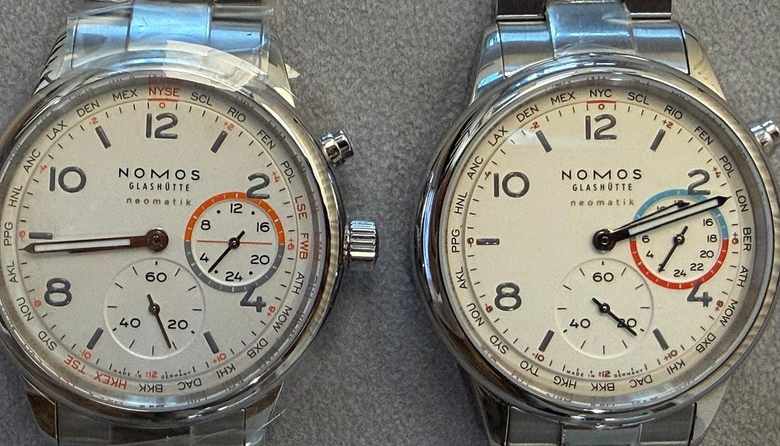
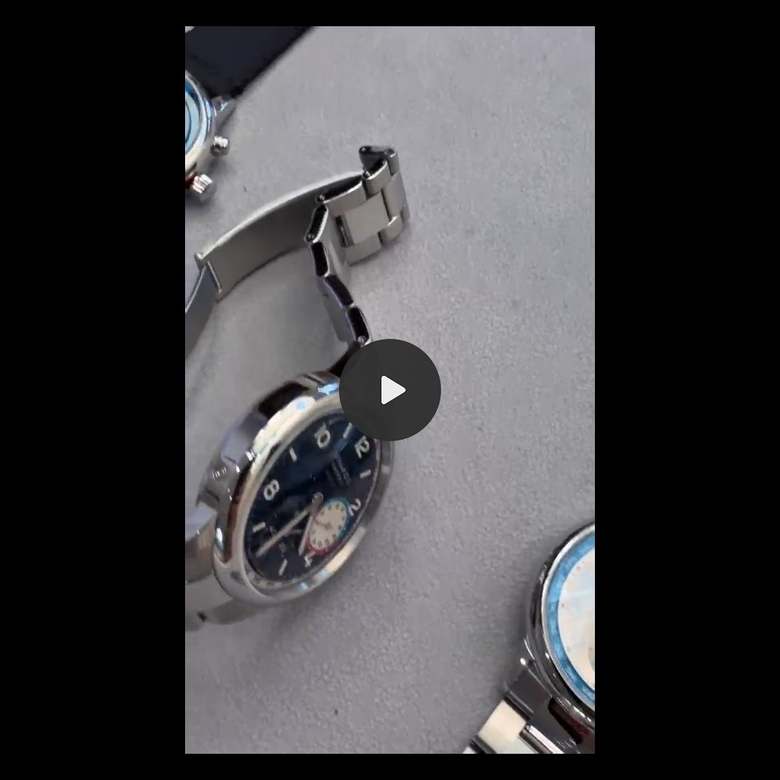
We went to the NOMOS Lounge in SoHo, a Manhattan neighborhood, at the suggestion of Ines Hatzmannsberger, who runs NOMOS in the US and handles its international communications. She is German, well known in the watch community and a terrific ambassador for the brand. Edgar Sanchez, who manages the Lounge, hosted our visit, and we had a great time with him. The Lounge is appointment-only, and the space is curated and roomy. A UV torch turned a black-dial Worldtimer aqua. Beside the white Worldtimer sat the Edition Handelsblatt, made for the 80th anniversary of the German business newspaper and marking five stock exchanges in orange, so the watch knows when your money is awake.
THE LEAN MACHINE
NOMOS is best known for value, and the Worldtimer shows why. It tracks 24 time zones and keeps home time on a separate hand, a complication that costs far less here than in most world-time watches. It launched in April 2025 at $4,720 and lists from $5,190 today. One review of the launch called it virtually unbeatable on value for money, and another found few world-time watches at that price, with the closest rival 13mm thick against the Worldtimer’s 9.9mm.
The reason is the way NOMOS runs. CEO Uwe Ahrendt says the company has no huge sales force and is “very careful with our money in marketing,” and that it will “trim the fat” wherever it can. As far as we can find, NOMOS has no celebrity ambassadors, and the only sports sponsorship we found is the International Bodensee Week, a regional sailing regatta on Lake Constance. Compare the stages other brands buy. TAG Heuer is Formula 1’s official timekeeper under a 10-year LVMH deal with the sport reported at up to $1 billion, Rolex became Wimbledon’s official timekeeper in 1978 and signs tennis stars as ambassadors, Breitling is the NFL’s official watch, and Tissot is the NBA’s. NOMOS is on none of those lists. Its administration and marketing stay in-house, and its look comes from Berlinerblau, its Berlin studio.
Read Watch Words, Part 1: Is Rolex an Independent?
The movements follow the same logic. Ahrendt says NOMOS makes up to 95% of each caliber on site in Glashütte and can build its swing-system escapement in-house for the same price as buying one from a supplier. He sums up the approach as “something very good at a very fair price.”
WHAT A NOMOS COSTS
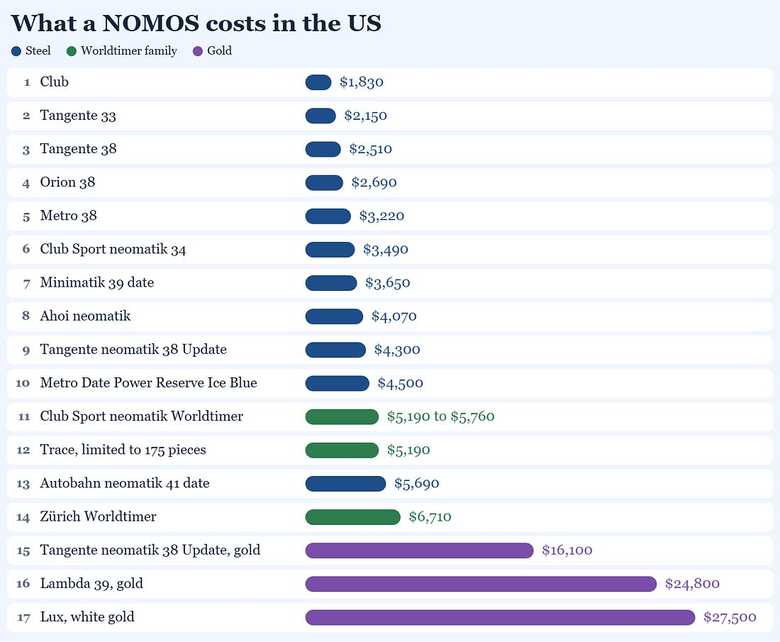
NOMOS makes 13 model families, with US prices from $1,830 for a Club to $27,500 for the Lux in white gold. The Tangente 38 starts at $2,510, and the Metro Date Power Reserve Ice Blue costs $4,500. The Worldtimer starts at $5,190 with a steel caseback and reaches $5,760 with a sapphire caseback, below NOMOS’s own Zürich Worldtimer at $6,710, and the limited Trace listed at $5,190. NOMOS engraves a case back at no charge on its US store, which is how a watch becomes a message.
OUR VIEW
Everything the photographer lacked in 1990 turned out to be fixable. The money came from the first collection and Manufactum’s catalog, which paid in advance, the movements from 15 years of work, and legal protection for the town’s name from a law of 2022. Schwertner says the company does its best work in a crisis, from the flood of 2002 to the financial crash of 2008 to the Covid pandemic. A watch company that did not want to take off now has buyers waiting up to eight months. In 1990 a photographer with no money and no training started it. In 2026 our much younger brother owns his first mechanical watch, and it is a NOMOS.
LESSONS LEARNED
- A founder does not need the craft. Schwertner had no watchmaking training, so he hired three watchmakers and built the look first.
- The name must be earned. NOMOS took 13 years to make its own calibers and 24 to make its own escapement.
- One design can carry a company. The Tangente of 1992 is still NOMOS’s most popular watch, and the company hopes to sell its one-millionth by 2053.
- Spend where the buyer can see it. As far as we can find, NOMOS has no celebrity ambassadors and sponsors only a regional regatta, so its money goes into movements and a 24-time-zone watch costs about $5,000.
- Ask for the delivery date before buying a gift. Worldtimer waits run 6 to 8 months, so a birthday gift needs a head start.
Would you wait six months for a watch, and which NOMOS would it be?
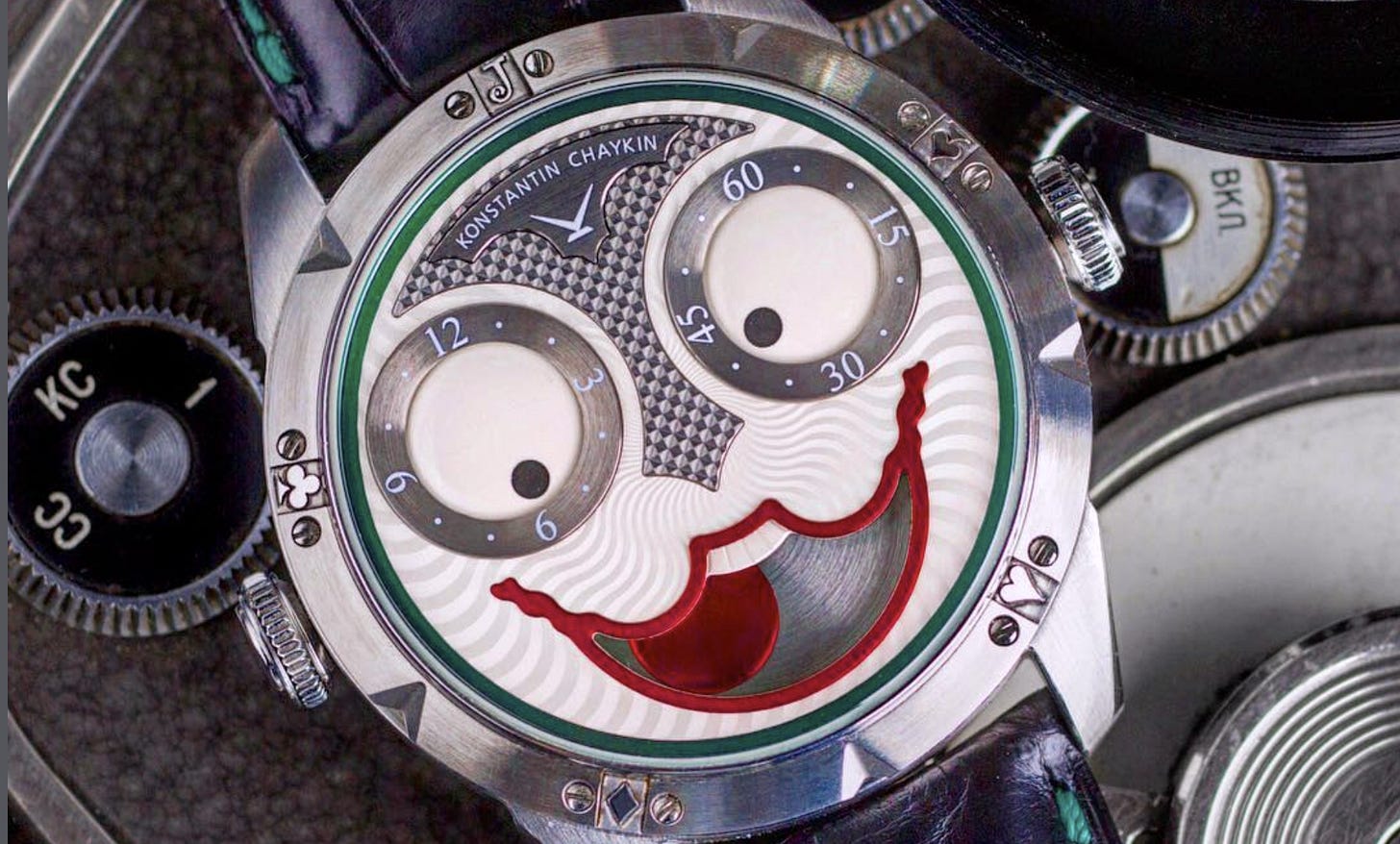
Next up: Konstantin Chaykin: The Horological Maverick Breaking All the Rules
ABOUT
Watch Lover XO is written by two collectors who wear and follow watches, from everyday favorites to rare independent pieces. We cover the secondary market, new releases and the watchmakers behind them.
For more images and videos, follow watchlover.xo on Instagram.