Watch Words, Part 3: How Swiss Is a Swiss Made Watch?
60%, 12 criteria, 15 days and 15K gauss: what each label on a dial guarantees, and the 40% the words leave out.
Two small words at the bottom of a dial carry a legal definition with a number in it. “Swiss Made” requires a minimum share of Swiss manufacturing cost, “chronometer” means a movement passed a 15-day test, and the Geneva Seal is a hallmark backed by the state of Geneva. This is Part 3 of Watch Words, a multiple-part guide to watch vocabulary, and today covers the labels and certificates: Swiss Made, Swiss Movement, the Geneva Seal, the Patek Philippe Seal, COSC, METAS and Glashütte.
SWISS MADE


Swiss Made is a legal designation, set by a Swiss federal ordinance from 1971 and tightened on January 1, 2017. A watch qualifies when its movement is Swiss, the movement is cased in Switzerland, the maker does the final inspection in Switzerland, and at least 60% of the manufacturing cost of the whole watch is generated there, according to the Federation of the Swiss Watch Industry. The movement must pass its own 60% test, and since January 1, 2019 the technical development must also happen in Switzerland. Before 2017, the cost rule covered only the movement, at 50%, so a Swiss movement could carry a watch whose case and dial came from elsewhere. Watch Collecting Lifestyle, a collector magazine, spells out the other side of the law: up to 40% of a Swiss Made watch’s cost can be incurred in any other country.
SWISS MOVEMENT
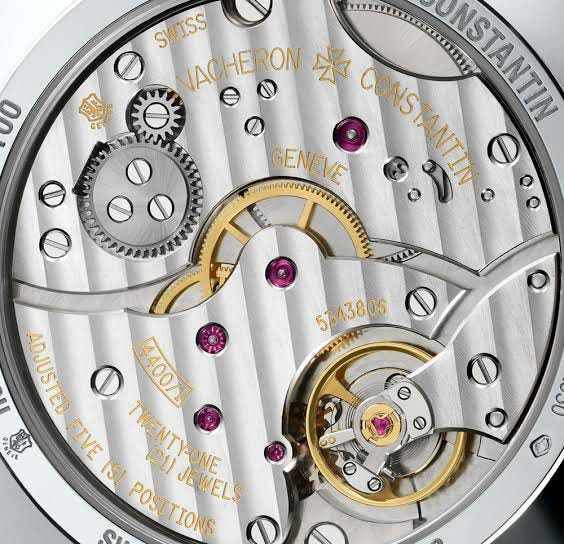
Swiss Movement on a dial means less. It applies when the movement meets the Swiss test and the watch is cased outside Switzerland, and such a watch may not say Swiss Made at all. The two labels differ on one point: where the movement was cased.
Read Watch Words, Part 2: Who Really Owns Your Swiss Watch?
GENEVA SEAL

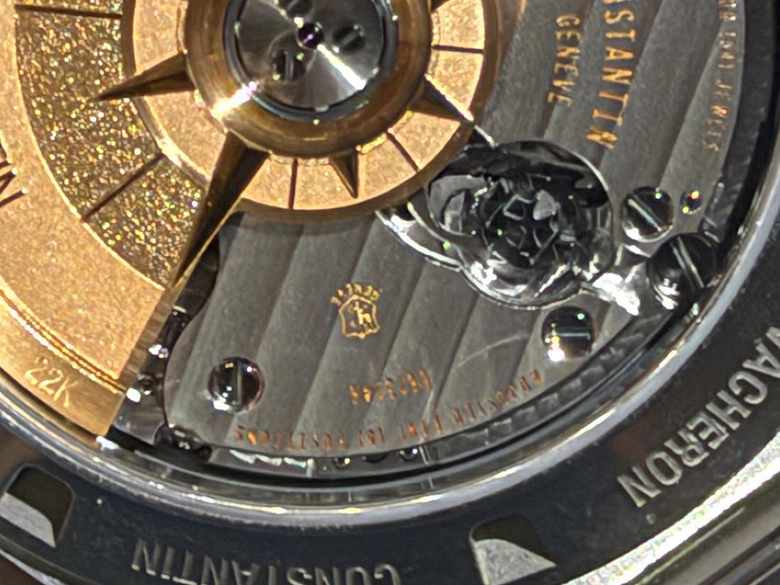
The Geneva Seal, or Poinçon de Genève, is a hallmark that the Grand Council of the canton of Geneva established in 1886, which its office describes as the only watch label backed by a state guarantee. Timelab, the Geneva laboratory of horology, runs it today. A watch qualifies only if its movement is assembled, adjusted and cased in the canton of Geneva, and it must also meet 12 criteria on construction and finishing. Casing became a requirement in June 2012. WorldTempus lists six regular clients: Cartier, Chopard, Louis Vuitton, Roger Dubuis, Vacheron Constantin and Ateliers deMonaco, and Roger Dubuis says it certifies every watch it makes. The seal guarantees place and craft, so a beautiful movement assembled in another Swiss canton can never earn it.
Read Watch Words, Part 1: Is Rolex an Independent?
PATEK PHILIPPE SEAL
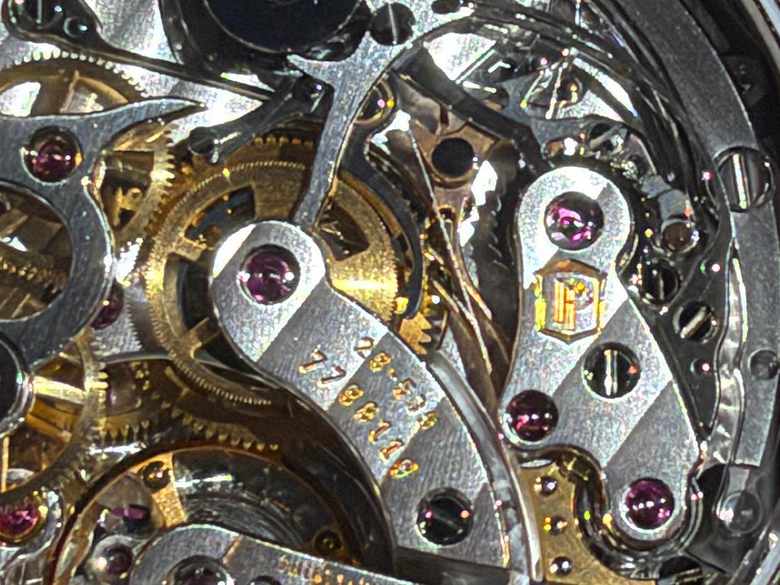
Patek Philippe used the Geneva Seal for more than a century and walked away from it in spring 2009 to stamp its own Patek Philippe Seal. WatchTime reported at the time that Patek management saw the old seal as outdated because it set no accuracy test. Patek’s seal covers the whole watch, finishing and timekeeping both. After an update covered by SJX, an online watch magazine, in December 2024, Patek certifies some movements to between one second slow and two seconds fast per day.
COSC AND CHRONOMETER

A chronometer, in Swiss terms, is a watch whose movement passed the test run by the COSC, the Official Swiss Chronometer Testing Institute, under an international standard, ISO 3159. Each uncased movement is tested for 15 days, in five positions and at three temperatures, about 46°F, 73°F and 100°F, and its average rate must stay between 4 seconds slow and 6 seconds fast per day. COSC tests the movement on its own, so the result says nothing about what happens after the watchmaker puts it in its case and fits the dial and hands.
METAS AND MASTER CHRONOMETER
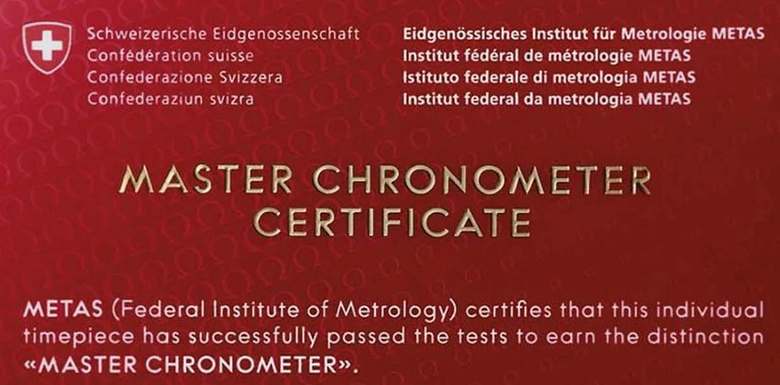
METAS, the Swiss Federal Institute of Metrology, set the tests behind Omega’s Master Chronometer label, which starts where COSC stops. A watch needs a COSC certificate first, and then the finished watch goes through eight more tests, including exposure to a magnetic field of 15K gauss, with a pass range of zero to five seconds fast per day for most calibers. For scale, Calibre Magazine puts a smartphone at about 380 gauss. A Master Chronometer may run fast and must never run slow.
GLASHÜTTE
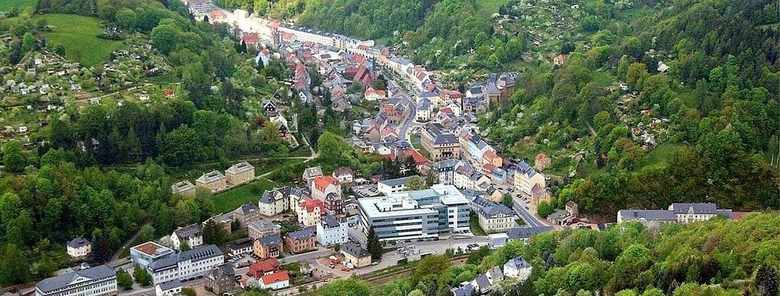
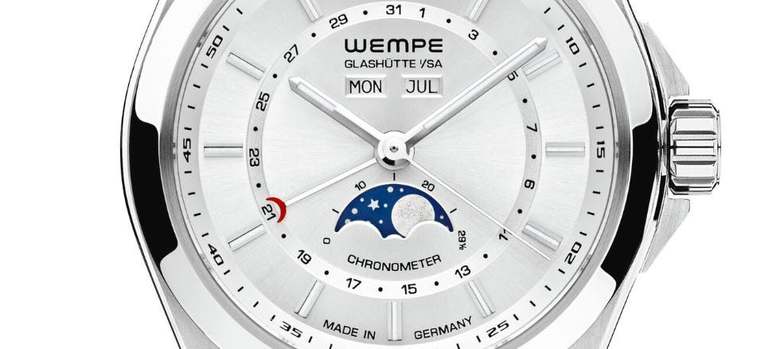
Glashütte is a small town in Saxony, in eastern Germany, home to A. Lange & Söhne, Glashütte Original, Nomos and Moritz Grossmann. Since 1906, WatchTime notes, its makers kept an unwritten rule that at least half of a watch’s value had to be created there. A German federal regulation of February 22, 2022 turned that rule into law: “Glashütte” may go on a dial only when more than 50% of the value added in the main manufacturing steps comes from the town and its defined surroundings. Nomos, which Wallpaper calls the town’s largest maker by volume, was called out in its early years for using Swiss movements and spent years building its own. Watchonista notes that the law now gives Glashütte protection close to Champagne’s.
Swiss Made and Glashütte tell you where the money was spent, COSC and METAS tell you how the movement performed, and only the Geneva Seal and the Patek Philippe Seal also judge the finishing.
Next in Watch Words: what actually makes a watch tick?
ABOUT
Watch Lover XO is written by two collectors who wear and follow watches, from everyday favorites to rare independent pieces. We cover the secondary market, new releases and the watchmakers behind them.
For more images and videos, follow watchlover.xo on Instagram.