A. Lange & Söhne, Part 1: Seized in East Germany, Rebuilt by a Retiree
A. Lange & Söhne vanished for 42 years. A 66 y.o. watchmaker restarted it, and all 123 watches of the 1994 comeback collection sold.
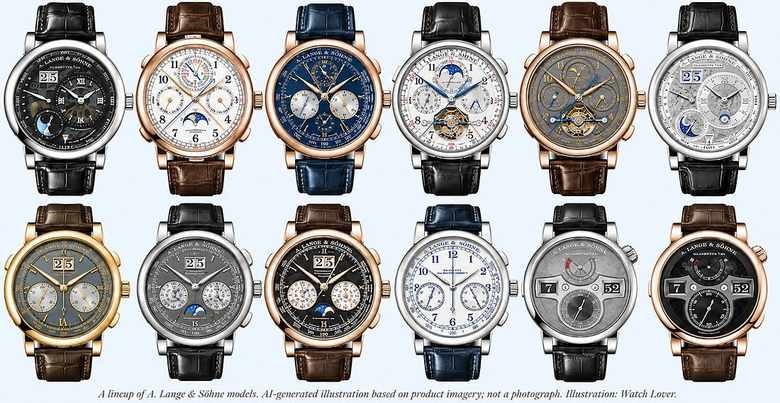
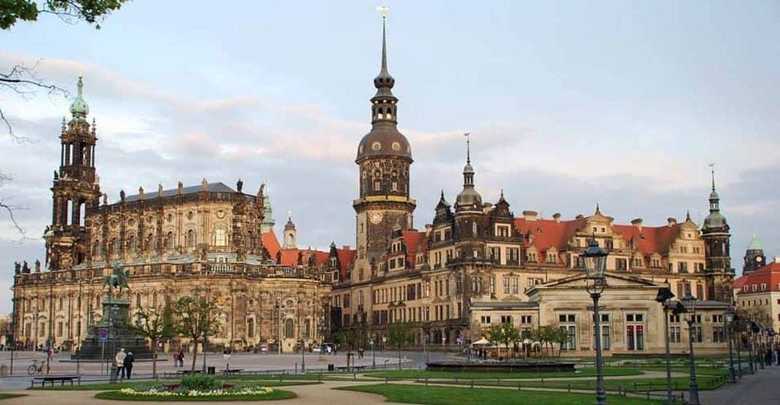
This is Part 1 of our two-part look at A. Lange & Söhne, and it covers the history. On October 24, 1994, a 70 y.o. watchmaker presented four wristwatches in the Royal Palace in Dresden, Germany. The name on their dials, A. Lange & Söhne, vanished in 1948, when the Soviet-occupied zone of Germany, which became East Germany in 1949, expropriated his family’s company. All 123 watches of that comeback collection, the first since the name vanished, sold.
Thirty-two years later, people wait to buy a Lange. In July 2024, its CEO said access depends on trust built with a boutique over time, and that waits for some models often run about six months. How does a company that vanished for 42 years return as a brand people wait to buy from?
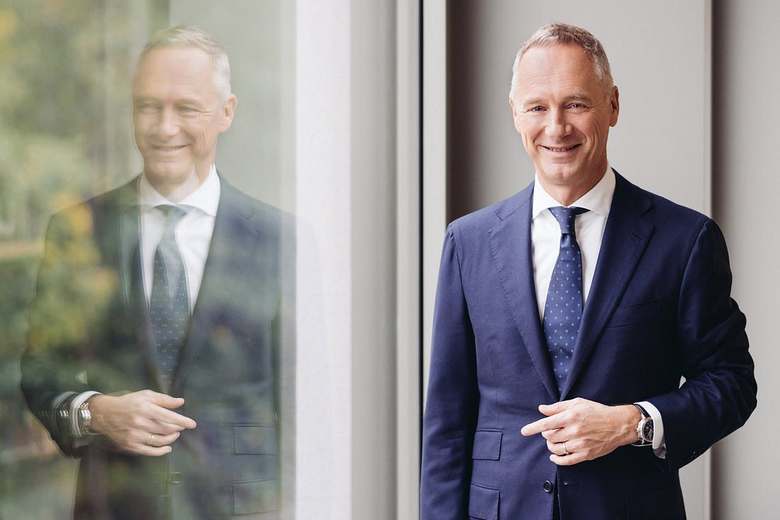
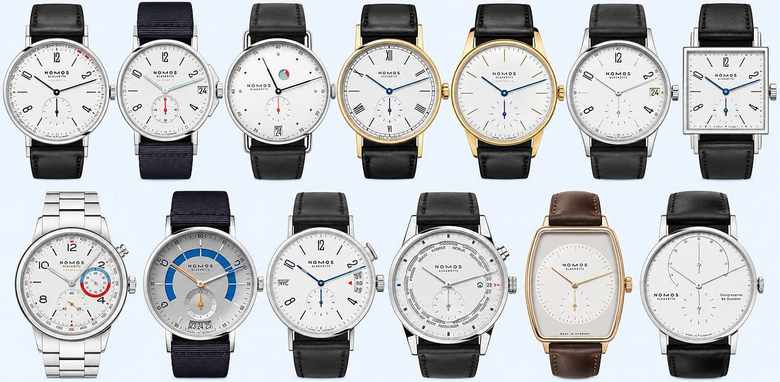
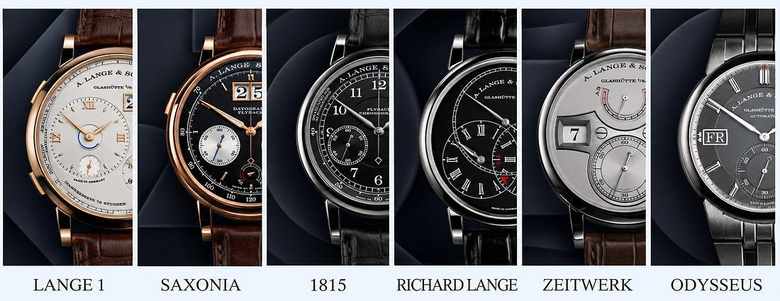
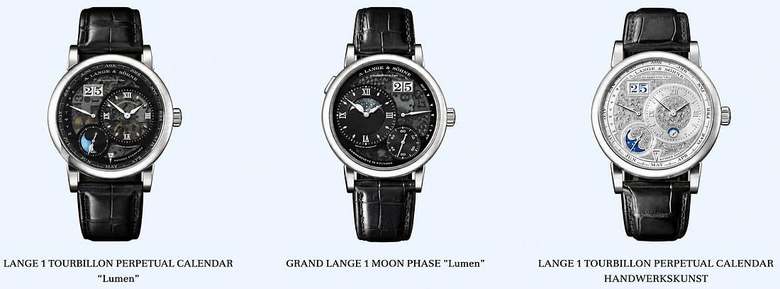
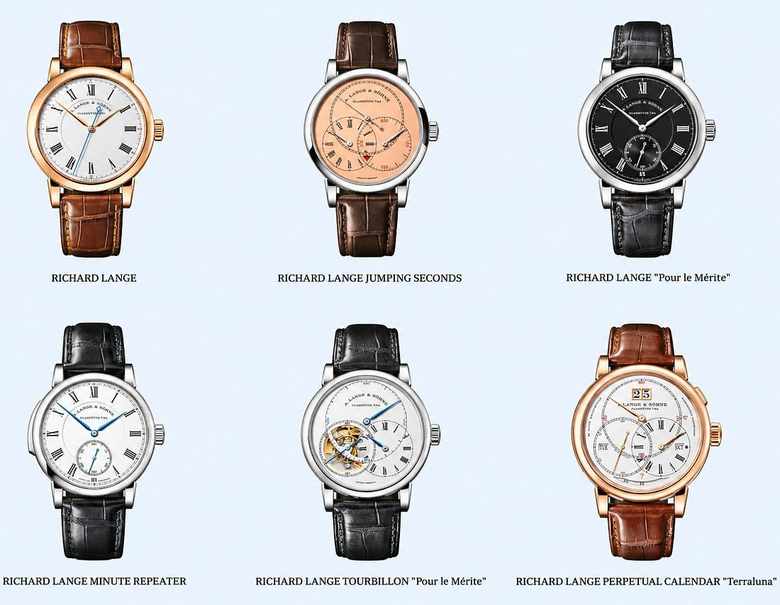
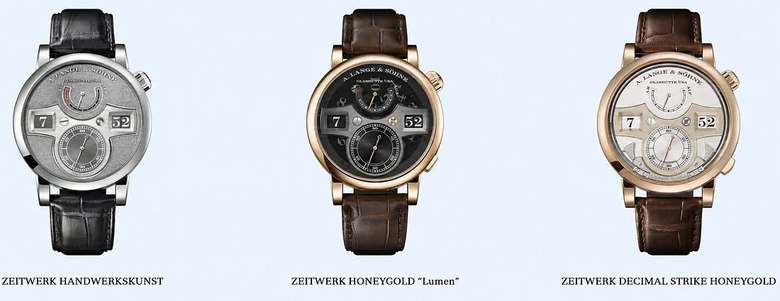
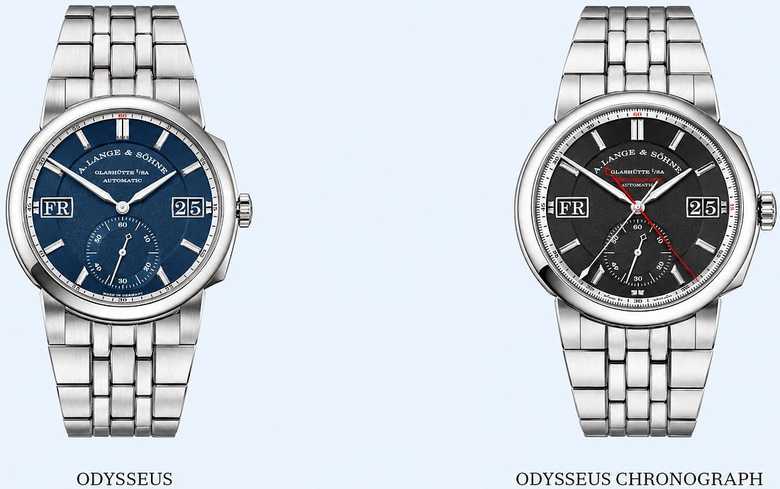
For readers new to the brand, a short overview. A. Lange & Söhne is a watchmaker in Glashütte, the Saxon town in the Ore Mountains where NOMOS also works, as we described in our NOMOS story. Richemont, the Swiss luxury group, took Lange into its portfolio in 2000, and Wilhelm Schmid became CEO in 2011. Lange’s CEO said in 2026 that it makes about 4,500 watches a year across about 75 references and employs about 900 people. It builds its movements in-house in Glashütte and lists nine points of sale in the US. It sells six watch families: the Lange 1, Saxonia, 1815, Richard Lange, Zeitwerk and Odysseus.
Read NOMOS: He Had No Money and No Watch Training. He Built a German Watch Brand Anyway.
A CLOCK IN DRESDEN, A WORKSHOP IN THE HILLS
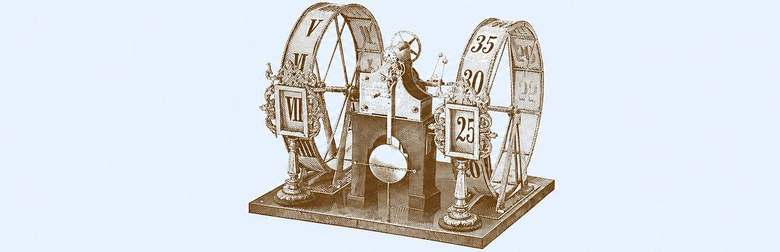
On April 12, 1841, Dresden inaugurated the court theater that is now the Semper Opera House. Above its stage hung a clock built so that viewers in the back rows could read it, with the hours and minutes in framed windows. The Dresden master watchmaker Johann Christian Friedrich Gutkaes made it with his employees, among them his partner and later son-in-law, Ferdinand Adolph Lange, whom he trained from 1830 to 1835. A fire destroyed the opera house and its clock in 1869, and Gutkaes’s student Ludwig Teubner built a second clock. After the opera house was destroyed again in World War II, a team led by engineers Klaus Ferner and Harry Julitz built the third, which returned above the stage when the Semper Opera House reopened on February 13, 1985.

Four years later, on December 7, 1845, Lange opened his own workshop in Glashütte. The Saxon government backed him with a loan of 5,580 thaler, the currency of the day, repayable between 1848 and 1854, plus 1,120 thaler for tools, to hire and train 15 apprentice watchmakers in a poor mining town. Lange says Ferdinand put everything he owned into the young business and took on heavy debt on top of the loan. One published estimate puts the 5,580 thaler at about $870,000 in 2020 dollars, which by our arithmetic makes the tool money about $175,000.
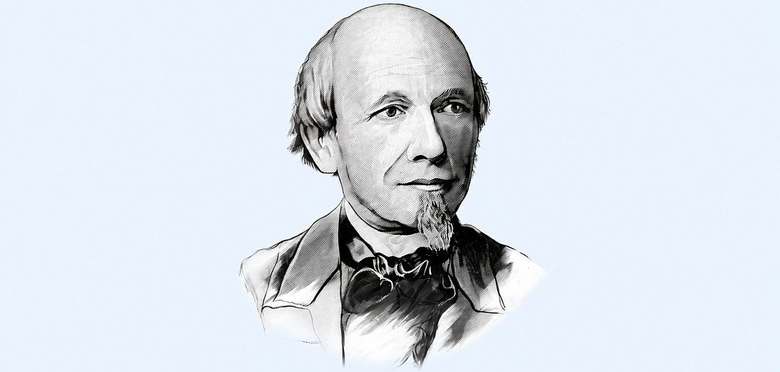
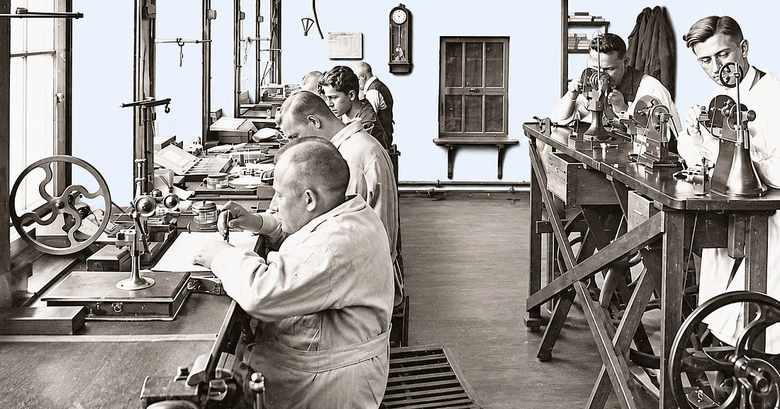
Lange says Ferdinand was the first watchmaker in Europe to introduce the metric system in his workshop, converting movement dimensions by hand from the old Paris line, and that he reorganized production on the principle of division of labor, with each watchmaker responsible for one step, which Lange says cut error rates significantly. The Saxon government made the meter official only in 1858.
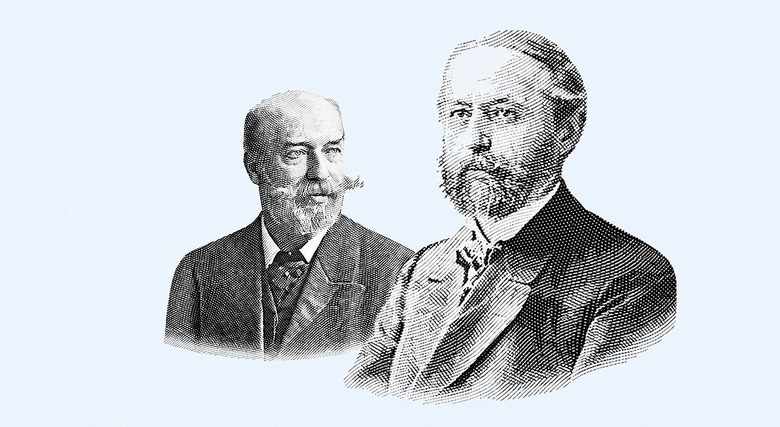
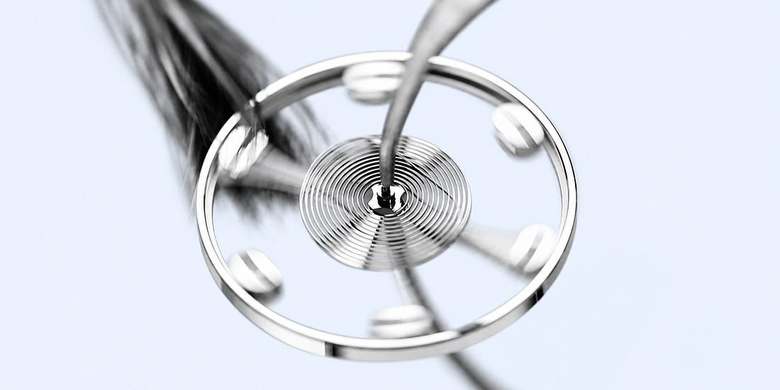
The name on the dials came with his sons. Richard joined in 1868, when the company became A. Lange & Söhne, meaning A. Lange & Sons, and Emil joined in 1871. After their father died in 1875, the brothers took over. Lange describes Richard as the designer and scientist, with 27 patents, and Emil as the salesman with a feel for aesthetics. Emil received the Knight’s Cross of the French Legion of Honour as a juror at the 1900 world fair in Paris, where the company showed its “tourbillon of the century.” In 1930, Richard Lange, then 84 y.o., patented a metal alloy with a little beryllium for watch springs. Lange says a Swiss technician later sold it as the Nivarox balance spring, which most quality mechanical watches still use.
THE LAST DAY OF THE WAR
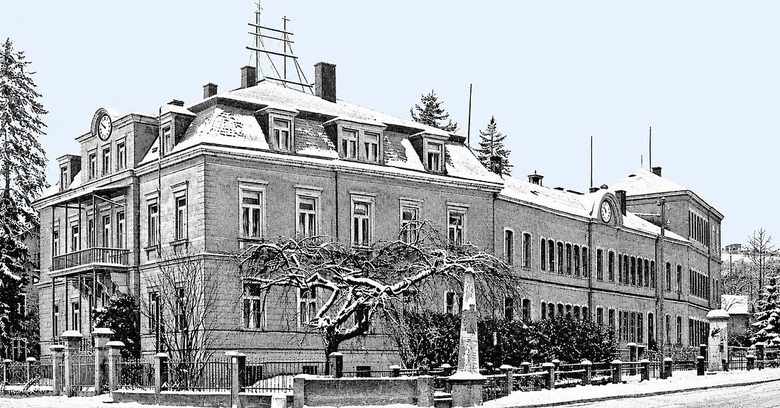
Then came the war. Walter Lange, born in 1924 in Dresden and raised in Glashütte, was a great-grandson of Ferdinand Adolph. He wanted to be a watchmaker from his school days, assembling a watch from a kit as a boy and spending hours in the family manufactory, which he said shaped him from the start. His first wristwatch was a Cyma, and he received his first Lange, an OLIW, the company’s more affordable line from the 1920s, at his confirmation. In 1941 he started an apprenticeship in Austria. In the summer of 1942, at 18 y.o., he was called up for military service. Lange says he survived only by sheer luck. He later called the hours after a bullet hit his leg the worst of his life: he lay motionless on the battlefield, afraid to crawl out of the danger zone before nightfall, and he said the war haunted him for the rest of his life. On May 7, 1945, he came home severely wounded. He was recovering in a field hospital near Glashütte, and his father arranged a leave of absence for him from May 7 to May 15, 1945. Walter Lange remembered being incredibly happy to be with his family again. The next morning, May 8, 1945, the last day of the war, the bomb alarm sounded. Soviet planes bombed Glashütte, and the bombs badly damaged the company’s main production building. The Soviet occupiers seized what remained, including the documentation of the Lange marine chronometer, which Walter Lange had to produce himself.
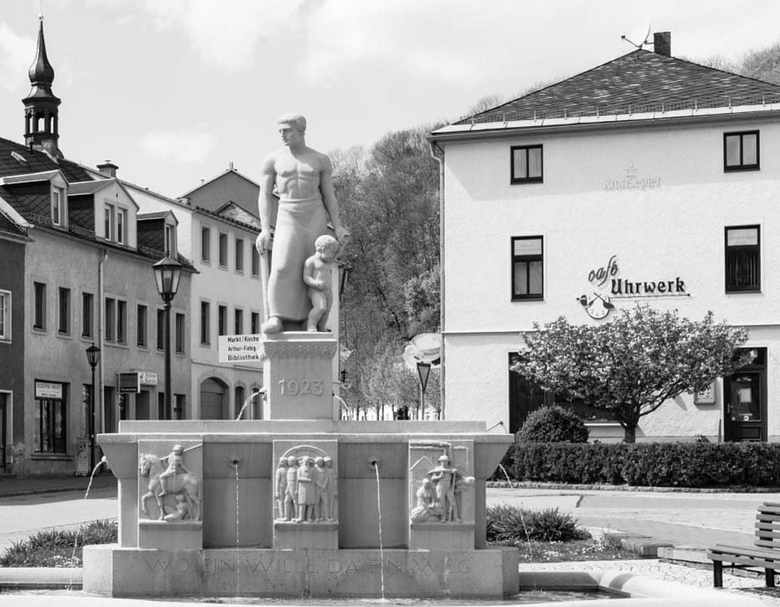
The family kept trying. His father Rudolf and his uncles Otto and Gerhard ran the company, and Walter Lange was working with them on a new wristwatch movement, the caliber 28, when the Soviet-occupied zone expropriated the company on April 20, 1948, according to Lange, and the brand disappeared. His father and uncles were no longer allowed to set foot in the factory. Walter Lange refused to join the union, and facing forced labor in the uranium mines, he fled his hometown one night in November 1948 for Pforzheim in West Germany. His father followed and lived with his family there, devastated, unable to cope with the loss of the factory and his home. Rudolf Lange died less than a year later. Walter Lange said the family assumed the business was lost forever and that they were heartbroken. His own attempt at a new watch manufacture there did not go well, and he stayed in the watch and jewelry trade as a sales representative until he retired in 1986. He always hoped he could bring Lange back to life in Glashütte. He never believed he would. In 1951 East Germany merged six Glashütte firms into one state factory, as we described in our NOMOS story.
The State of A. Lange & Söhne in 2025: A Horological Powerhouse Evolving
A 66 Y.O. STARTS OVER
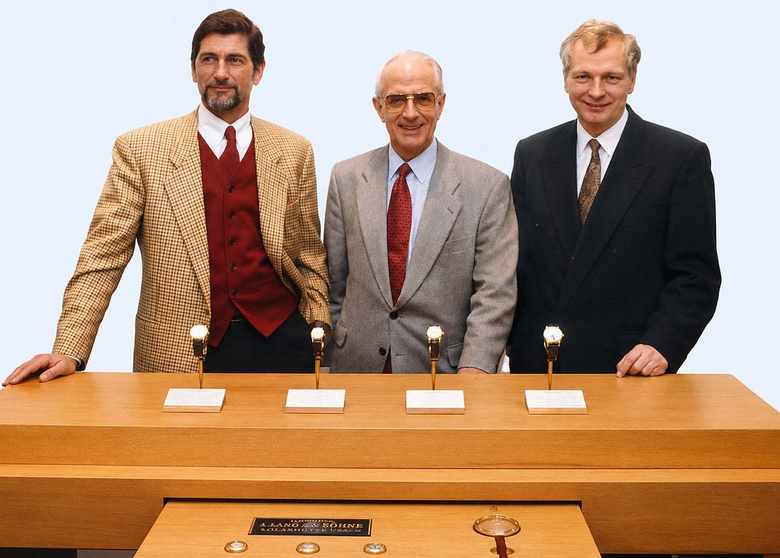
The Berlin Wall fell in November 1989, and Walter Lange, 65 y.o. and retired, began thinking about a restart right away. His first concern, he said, was the town. As a child in the 1920s and 1930s he saw mass unemployment and how much his parents feared having to let employees go, and he wanted to bring jobs back to Glashütte. His partner was Günter Blümlein, a watch executive who ran Les Manufactures Horlogères (LMH), the group that owned IWC and Jaeger-LeCoultre. On December 7, 1990, exactly 145 years after Ferdinand Adolph Lange founded his manufacture, Walter Lange registered Lange Uhren GmbH in Glashütte at 66 y.o., using a postal address he borrowed from a former classmate. He called that date among the greatest days of his life. He later recalled that the new company had no watches to sell, no employees, no premises and no machines. It started with a staff of 15. In the months after reunification, Walter Lange and Blümlein often sat over red wine at a small hotel near Glashütte, where Blümlein asked him to tell stories about his ancestors’ pocket watches. Before the 1994 presentation they shared an office and typed their speeches side by side. Walter Lange later said they regretted not recording those evenings.
Two brands restarted in the same small town that year. According to NOMOS CEO Uwe Ahrendt, NOMOS registered its trademarks just before Walter Lange revived Lange.
Is A. Lange & Söhne the Most Influential Watch Brand of the Last 30 Years?
FOUR WATCHES, 123 SOLD
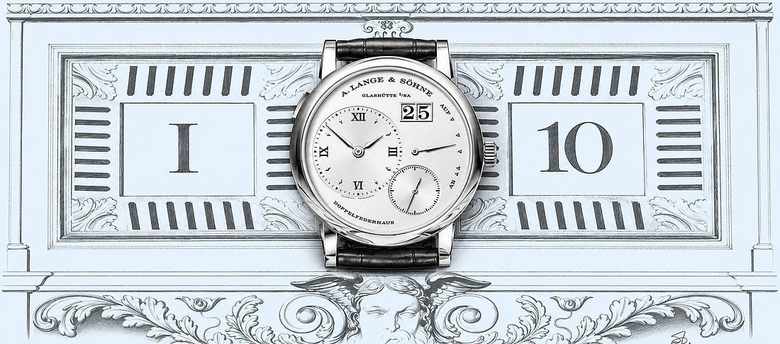
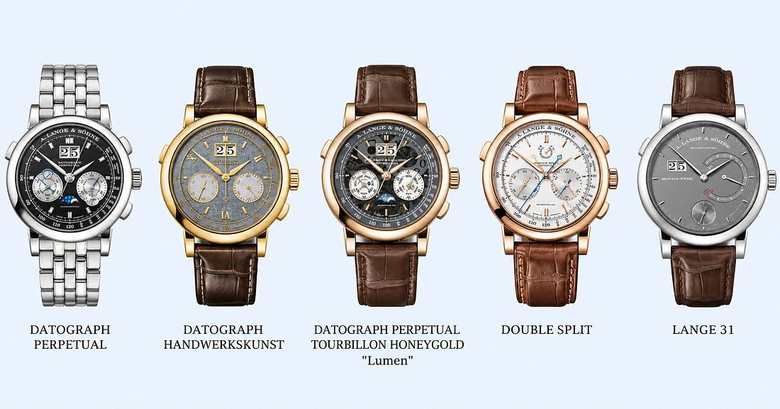
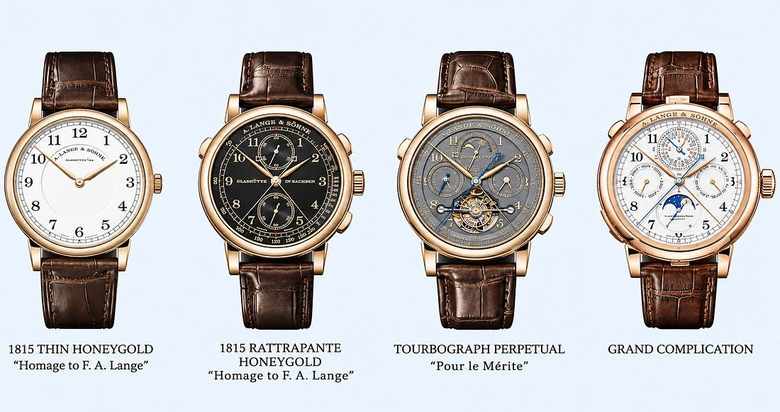
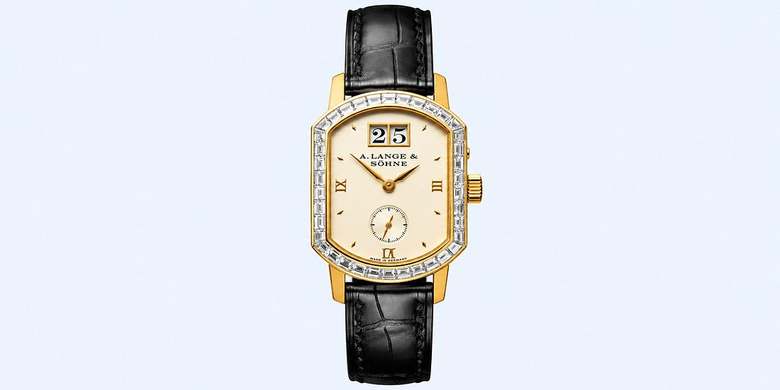
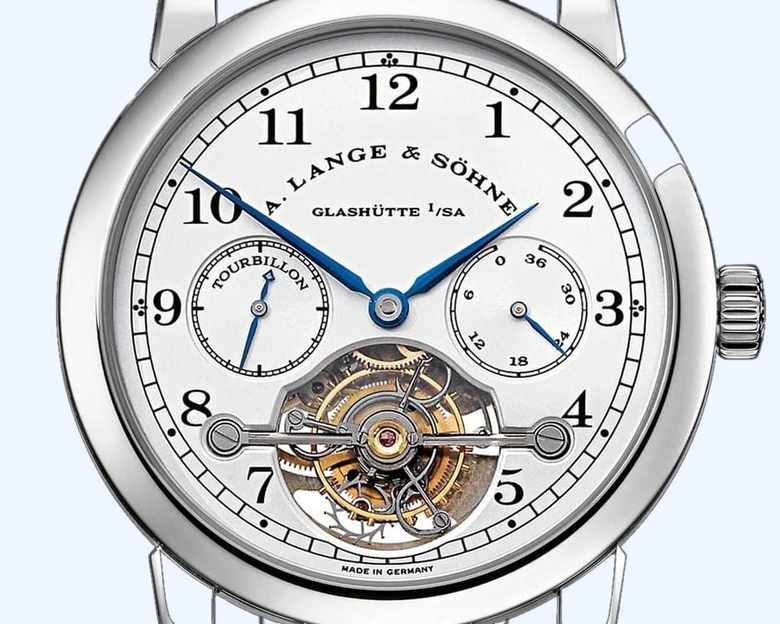
Four years after the founding, on October 24, 1994, Walter Lange and Blümlein presented the comeback collection at a press conference in the Dresden Royal Palace. It had four watches: the Lange 1, the Saxonia, the Arkade and the Tourbillon “Pour le Mérite.” The Arkade was a ladies’ watch with a shaped movement and the outsize date, and Lange made it until 2009. Richemont says all 123 examples produced were sold. Blümlein said that, as a newcomer, Lange could not afford the slightest weakness. Walter Lange named that press conference one of the highlights of his career, and he said Lange’s overseas inquiries arrived sooner than the team expected, since it first planned to sell in Germany and the rest of Europe. Owners of old Lange pocket watches from around the world also still contact the company, he said. Lange’s press photos of watches with a date window show 25, because the launch was on October 24, 1994 and the photos had to show the next day’s date for the newspapers.
The Lange 1 set the template, and its date window closes a loop. The watch shows the date in two oversized windows, and Lange says the digits are about three times the size of those in watches of comparable dimensions. Lange also says the idea came from the stage clock in Dresden, down to the blank left-hand window on days 1 through 9. Lange filed its first patent for the outsize date in 1992 and used it two years later in three of the four watches in its 1994 collection. The mechanism takes 66 parts, and Lange says only 0.15 millimeters separates its two display elements.
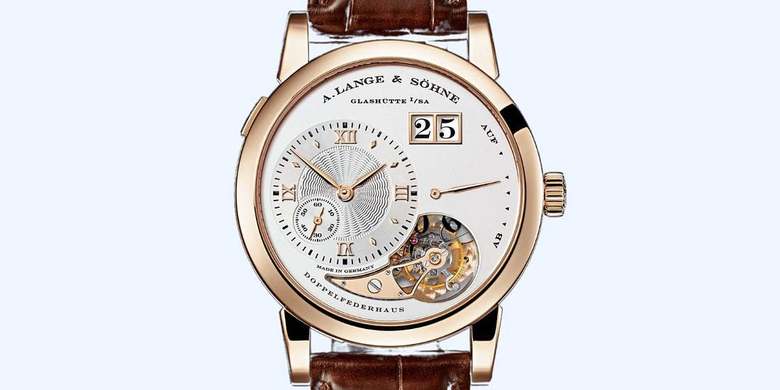
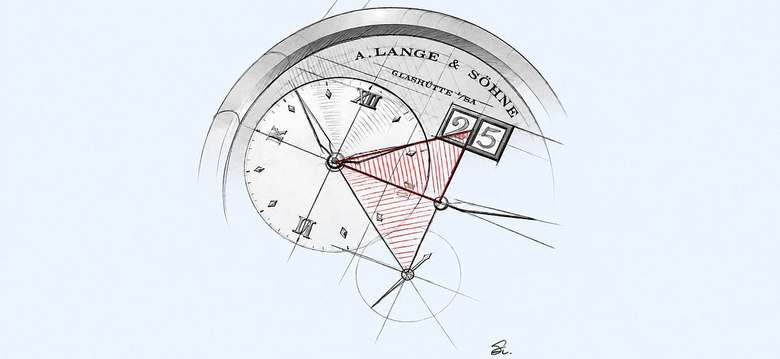
The dial is off-center, and the date, the power reserve indicator and the small seconds dial sit in a layout where no display overlaps another. Lange says the proportions follow the golden ratio. The Tourbillon “Pour le Mérite” was the new Lange’s first tourbillon watch, and Lange says it was the first wristwatch to drive the going train with a fusée-and-chain transmission, a small chain wound around a cone-shaped pulley. Lange limited it to 150 in yellow gold and 50 in platinum, made from 1994 to 1998.
A NEW OWNER, A LOSS AND A HOMECOMING
Richemont took over LMH in 2000, after the telecom group Vodafone, which took over LMH’s owner, the Mannesmann group, sold it. Richemont says LMH owned 90 percent of Lange at the time, and in 2003 Richemont bought the remaining 10 percent, so it owns all of Lange today. That year, after many years of tough negotiations with the agency that reallocated former East German property, Lange also bought back its old headquarters, the family home and workshop built in 1873, which the state took in 1948. Walter Lange remembered one of those negotiations in 1991. He met the head of the Treuhand, the agency that managed former East German state property, on the Wednesday before Easter and left feeling that he was finally talking to the right person. Five days later, on Easter Monday, that man, Detlev Karsten Rohwedder, was shot in his home. Walter Lange said he was stunned, and the talks about the property failed. Blümlein died on October 1, 2001, at 58 y.o., seven years after the launch he helped present. Walter Lange said that “Without Günter Blümlein, A. Lange & Söhne would no longer exist.” Two months later, on December 7, 2001, the same day of the year Lange was founded (December 7, 1845) and refounded (December 7, 1990), Lange moved back into that headquarters in Glashütte after its renovation.
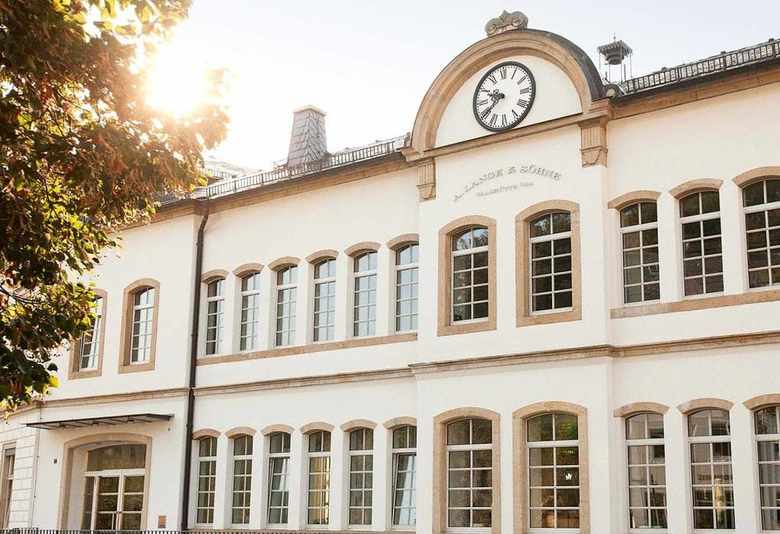
On August 26, 2015, German Chancellor Angela Merkel inaugurated Lange’s new manufactory building in Glashütte, which took three years to build. In 2014, at 90 y.o., Walter Lange pointed to more than 1,300 people who found jobs in Glashütte’s watch industry after the revival, the answer to the unemployment his parents feared. He called the Tourbillon “Pour le Mérite” from the 1994 collection the Lange he liked to wear, because it reminded him of the brand’s revival. He received the Medal of Merit of the Free State of Saxony in 1998 and became an honorary citizen of Glashütte in 1995, and he was especially pleased by a lifetime award from the Fondation de la Haute Horlogerie in Lausanne, in Switzerland of all places. Walter Lange died on January 17, 2017, at 92 y.o. In autumn 2022 Lange named its in-house watchmaking school the Walter Lange Training and Further Education Centre. About 600 of the roughly 900 people at the company he refounded at 66 y.o. work in Glashütte. In July 2024 its CEO said he could not promise higher volumes.
Read Watch Words, Part 2: Who Really Owns Your Swiss Watch?
OUR VIEW
Lange rebuilt itself on history it can prove, and two details bring that history back to where it began. Lange says the oversized date window of the Lange 1, the watch that carried the 1994 revival, took its idea from the stage clock that Ferdinand Adolph Lange helped build in Dresden in 1841. And the company moved back into its old headquarters on the anniversary of the day Ferdinand opened his workshop, two months after Blümlein, the partner who helped make the revival possible, died without seeing it. The name went from an expropriated company in 1948 to a brand buyers wait for in 2026: Walter Lange restarted the company at 66 y.o., all 123 watches of the 1994 collection sold, and the workforce grew from about 460 in 2011 to about 900 in 2026.
LESSONS LEARNED
- A quality name can be revived. The Lange name vanished in 1948 and returned on December 7, 1990, after 42 years.
- Build the design on a story you can prove. The outsize date comes from a stage clock that Ferdinand Adolph Lange helped build in 1841.
Would you have bet on a 66 y.o. restarting a watch company whose name vanished for 42 years?
Next in this series: Part 2 covers the six watch families, US prices, boutique waits, servicing and the used market.
Next up: NOMOS: He Had No Money and No Watch Training. He Built a German Watch Brand Anyway.
ABOUT
Watch Lover XO is written by two collectors who wear and follow watches, from everyday favorites to rare independent pieces. We cover the secondary market, new releases and the watchmakers behind them.
For more images and videos, follow watchlover.xo on Instagram.