The GRØNE Horologium: Gone in Six Minutes
The Loud Watch Sold the Story. The Quiet Watch Sold Out First.
THE SELL-OUT
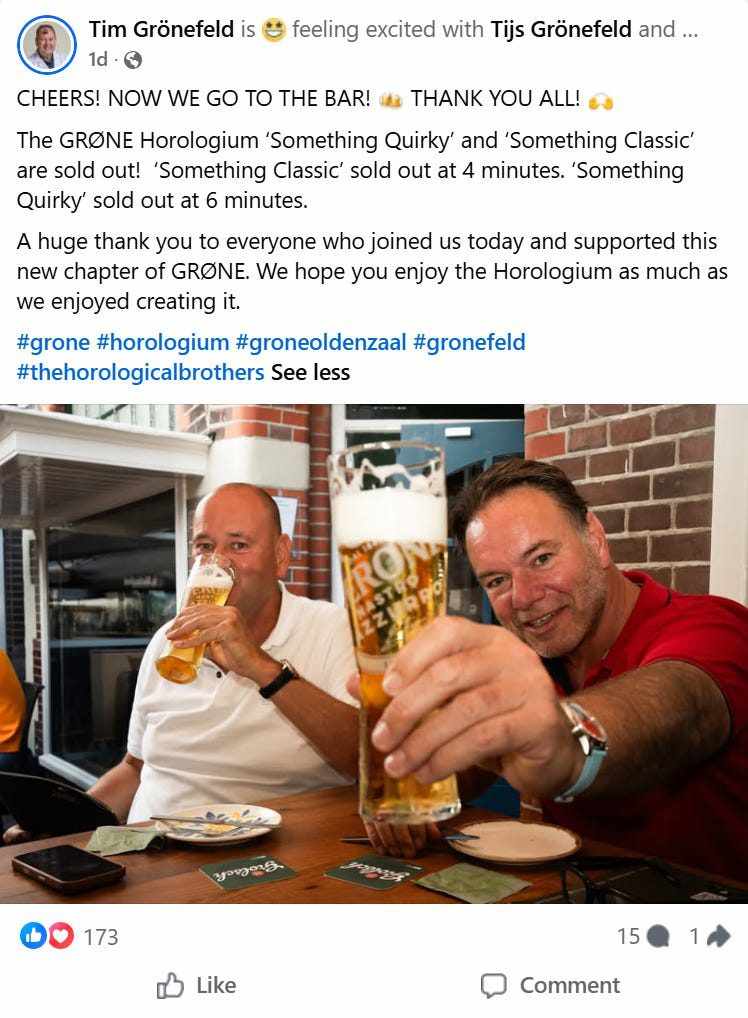
The GRØNE Horologium went on sale at 9:00 a.m. Eastern time on August 13. By 9:04 the "Something Classic" was gone. By 9:06 the "Something Quirky" followed. Bart and Tim Grönefeld confirmed the sellout times a few hours later in a post that showed them with beers in hand. The arithmetic follows from there: 376 watches at roughly $2,750 each is more than a million dollars of watches, moving at better than a watch per second.
Listen GRØNE Horologium: A Six-Minute One Million Sell-Out Success
WHAT THE WATCHES ARE
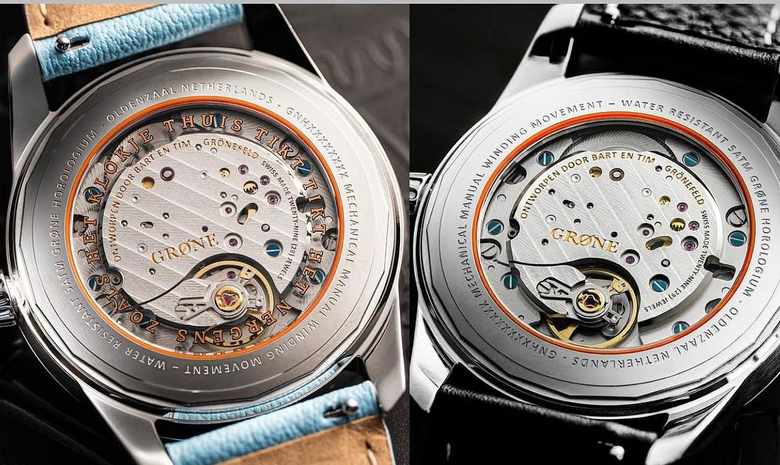
The case measures 39 mm by 10 mm in stainless steel. A manual-wind La Joux-Perret movement with a 60-hour power reserve sits inside, finished with Côtes de Genève, heat-blued screws, and polished anglage. A raised small-seconds subdial and the line's first exhibition caseback complete the package. Deliveries start in mid-September. Each variant is capped at 188 pieces with a stated promise that the edition will never repeat.
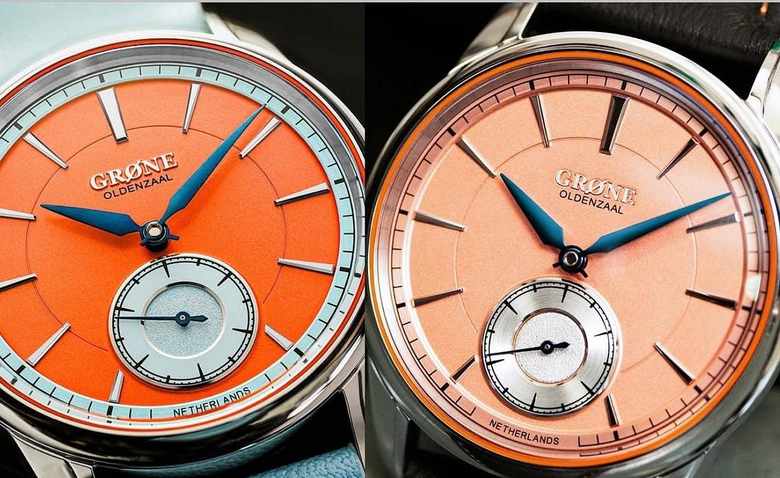
"Something Quirky" carries a bright Dutch-orange dial with baby-blue accents, and a Dutch proverb printed in orange inside the sapphire caseback, translating loosely as "home sweet home." "Something Classic" uses a soft salmon dial with a sunray finish and leaves the crystal free of any printed text, so nothing sits between the eye and the movement. The two designs track the brothers' own tastes: the inscription is Bart, the restraint is Tim.
WHY GRØNE EXISTS
The main Grönefeld brand has been closed to new orders for years. The brothers’ Oldenzaal atelier produces roughly 80 watches a year, entry prices sit north of $50,000, rising to roughly $190,000 for the most complicated pieces, and the wait lists stretch for years. On the secondary market a steel 1941 Grönograaf currently lists at more than $220,000, well above what the atelier charged, and the brand’s own site shows the steel edition under a temporary order stop, which is what locked-out demand looks like in numbers. Scarcity built the brand’s desirability, but scarcity also puts a ceiling on the business: when the atelier can physically make 80 watches, enormous demand does not translate into growth. A large group of collectors admire the design language and trust the makers yet have no realistic path to ownership. That locked-out demand still exists. It simply needs a product to land on.
GRØNE is that product. It comes from the same brothers, carries the same design DNA drawn from the 1941 collection, and lands at roughly one-twentieth the price. The edition sizes are a deliberate choice, and the finishing is real. The brothers have been unusually open about the economics: the new movement costs a multiple of the previous one, the bill of materials rose sharply, and they held the price anyway because the line is meant to stay accessible. At $2,750 the value holds up for the collectors who could never reach the main brand.
The loop is starting to close, too. Buyers on two platforms reported waiting at the opening and still walking away empty-handed. The brand built to absorb locked-out demand has begun generating some of its own.
Read Inside Grönefeld: Masters of Independent Watchmaking
HOW THEY MARKETED THE HOROLOGIUM
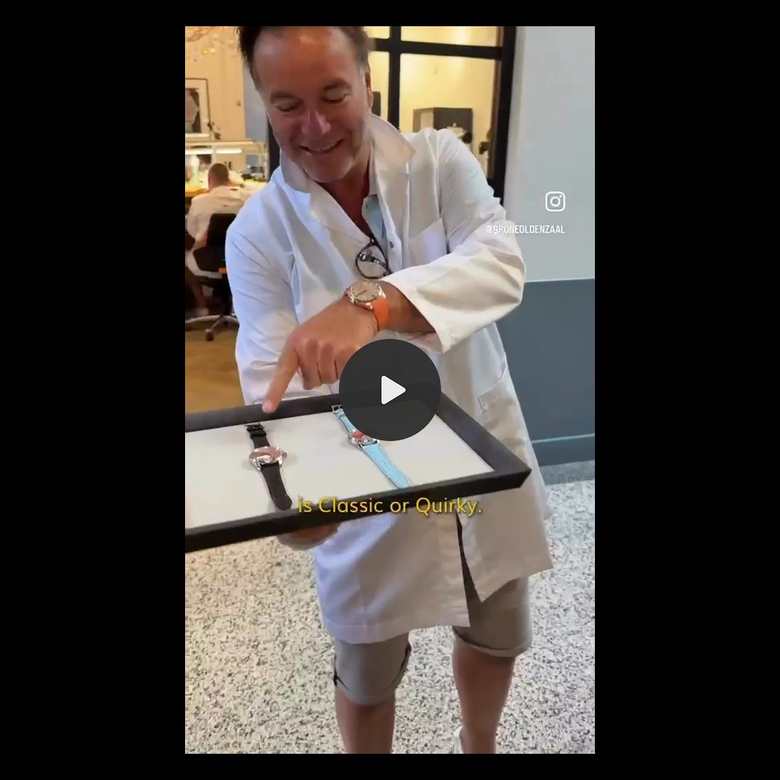
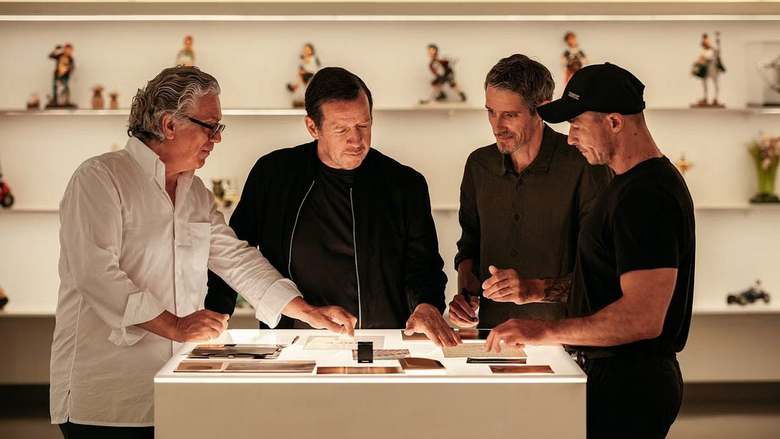
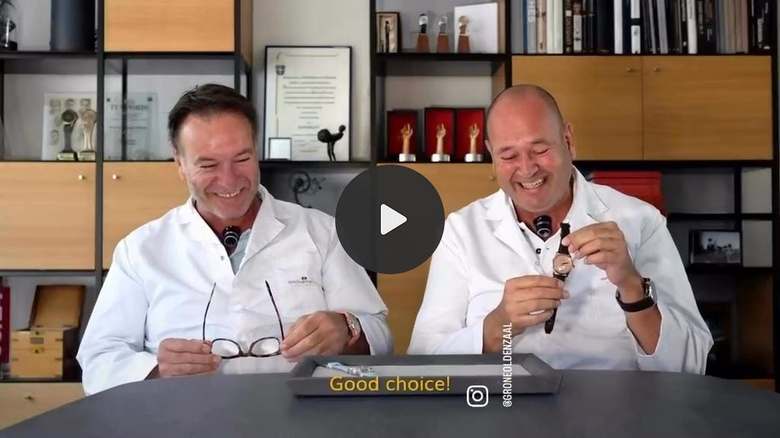
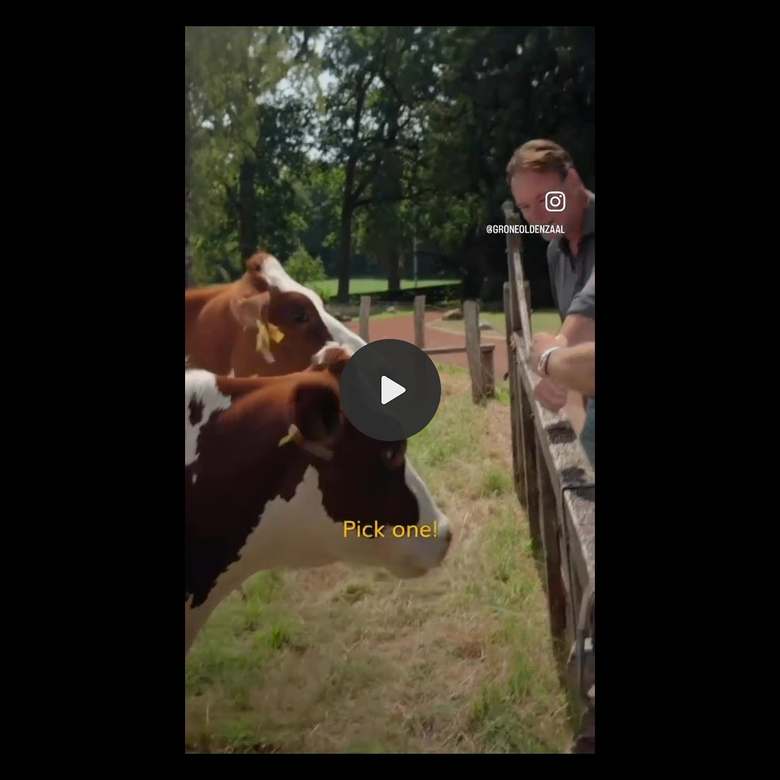
The campaign put the family identity front and center. Swiss and German maisons advertise formally, all product close-ups and hushed voice-over. The brothers walked the atelier floor and asked every staff member which version they preferred, on camera. Then they took the same question outside to a pair of cows at a fence. One answered the Quirky with a clear moo and turned away from the Classic; asked whether any cows were Classic cows, the herd declined to comment. No other brand we follow would put cows in an ad, and that is the point. It captured who the brothers are: distinctly Dutch, allergic to formality, and clearly enjoying themselves. The captions asked viewers the same question.
The brothers also worked the comments themselves. When a collector asked why a Dutch brand's watch says Swiss made, Tim explained the split personally: GRØNE is made in Switzerland, Grönefeld in Oldenzaal, at completely different volumes. Bart fielded a finishing question the same way, explaining that Côtes de Genève belongs to GRØNE's Swiss movements, while Grönefeld pieces keep their own hand-finished language. And when a buyer agonized over choosing between the two dials, Tim replied with the only answer a co-founder could: why not get both. Two makers whose flagship pieces cost as much as a Porsche were answering caseback questions in their own comment section. That access is part of the product.
THE POLL GOT IT WRONG
The orange “Something Quirky” drew most of the pre-launch attention. It photographs loudly and announces itself. A collector who ran an informal poll in the brand’s comments days before launch had Quirky winning, 57 to 43. Sentiment favored orange. So did we, and for a practical reason: we already own a salmon dial from these brothers, the Manueel Bart’s One, and the Classic sat too close to it. The Quirky filled a slot nothing in the box filled. That may be a clue about who bought the Classic so fast; a buyer already holding a Manueel had a reason to pass, so the four-minute crowd likely skewed toward collectors coming to the brand fresh.
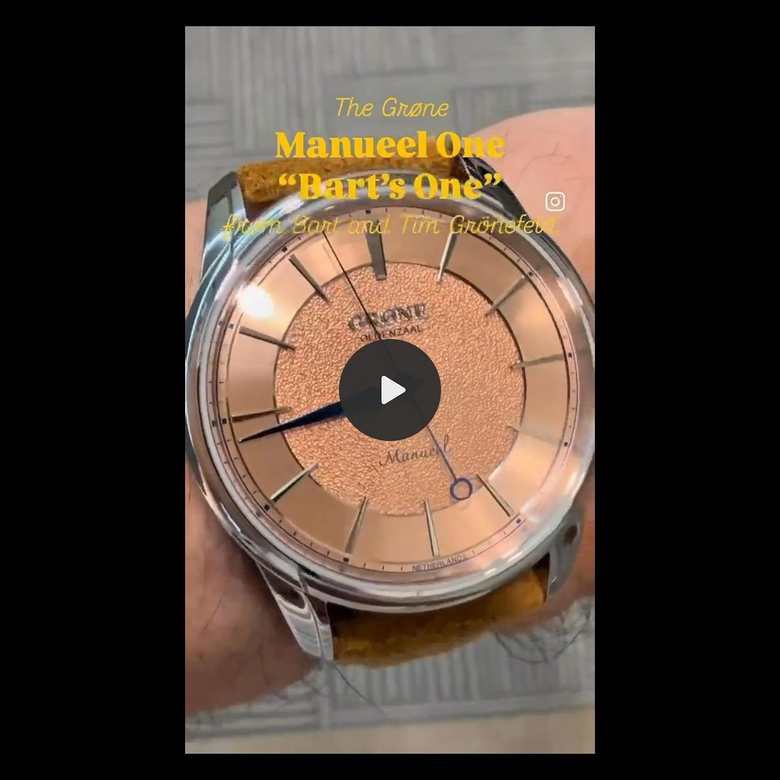
The wallets went the other way. With identical pricing, identical edition sizes, and identical access, the collectors who showed up at 9:00 a.m. sharp cleared the quiet salmon first. The four-minute buyers are the most committed segment of the audience, and their revealed preference was restraint. Ours was not. We were in the six-minute group.
The caseback may have played a part. For the collectors most focused on the movement, Classic offers the fully unobstructed view through the sapphire, and at least one said in the brand’s comments that this tipped the choice. Either way, the gap between what people said they wanted and what they bought at the opening bell is the story. These buyers look less like hype collectors who stumbled onto a limited drop and more like Grönefeld admirers who finally found an open door, and their taste was formed by the main brand’s classicism.
THE PATTERN ACROSS RELEASES
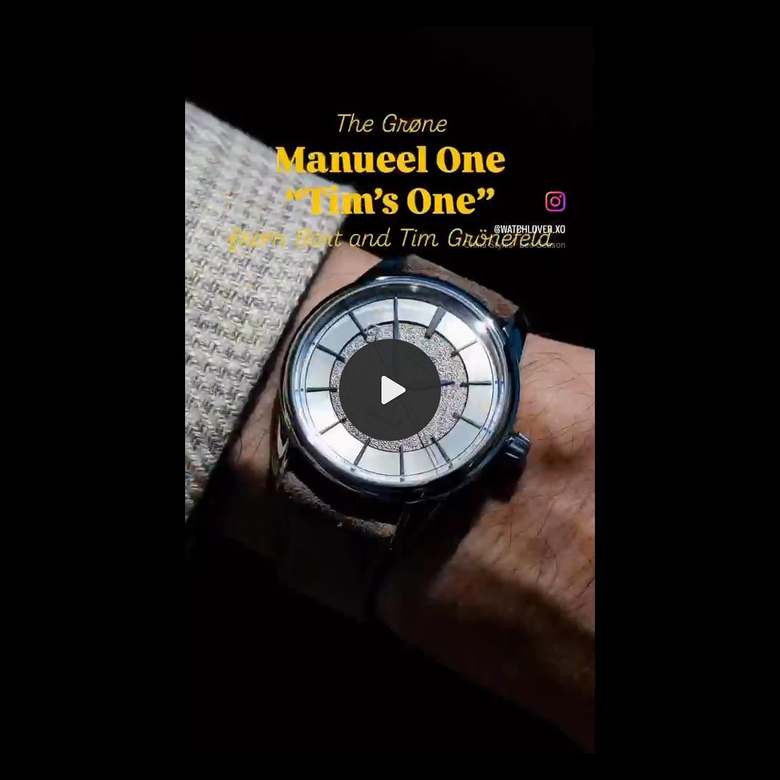
The Manueel One, the brand’s 2024 debut, sold out within hours. We own two of the three references, Tim’s One and Bart’s One, each named for a brother and true to type. Tim’s is the restrained one, a beige dial that goes to the office under most suits and blazers. Bart’s is the extrovert, salmon, and stays home on weekdays. The Horologium runs the same split at a faster clock. The Moment Meter chronograph went in under nine minutes. The Horologium Classic went in four. Each release moved faster than the last. The drops are training an audience of their own rather than simply borrowing heat from the main brand.
This is a structure other independents run too. MB&F does it with M.A.D.Editions (we own a M.A.D.2), Hajime Asaoka with Kurono Tokyo: the unobtainable flagship builds the equity, the accessible line converts it. Luxury conglomerates spend decades and entire portfolio strategies engineering this kind of brand ladder. Two brothers in Oldenzaal built one with a second logo. They could charge more or make more pieces. They choose not to. The unmet demand at this price keeps the next drop an event, and the goodwill of an attainable price leaves the flagship’s mystique intact.
THE SECOND CHANNEL STILL FEELS LIKE THEIR WORK
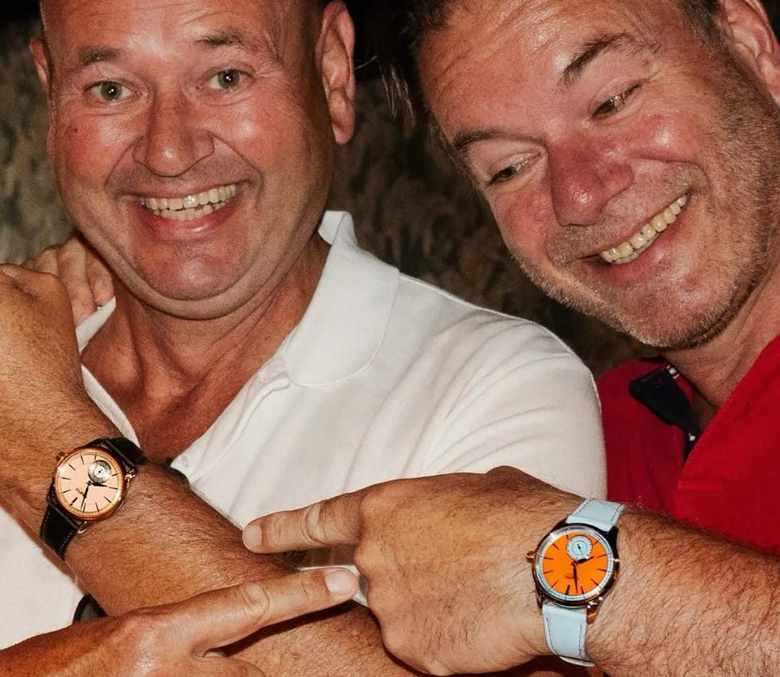
Earlier this summer we covered the Grönefeld story in depth, as a written article with voiceover and as a podcast episode for those who prefer to listen. The Horologium drop sits in the same line of thinking. Even the edition size echoes the flagship: the steel 1941 Grönograaf, the atelier's GPHG-winning chronograph, is limited to 188 pieces, and each Horologium variant carries the same cap. The brothers keep the complicated production small and then build a second channel that carries their signature without diluting it. On August 13 that channel moved 376 watches before most people finished their morning coffee. We skipped ours to be in the queue.
Next up: Inside Grönefeld: Masters of Independent Watchmaking
ABOUT
Watch Lover XO is written by two collectors who wear and follow watches, from everyday favorites to rare independent pieces. We cover the secondary market, new releases and the watchmakers behind them.
For more images and videos, follow watchlover.xo on Instagram.