Inside Grönefeld: Masters of Independent Watchmaking
How Bart and Tim Grönefeld turned a century-old Dutch family tradition into one of independent watchmaking’s most distinctive names
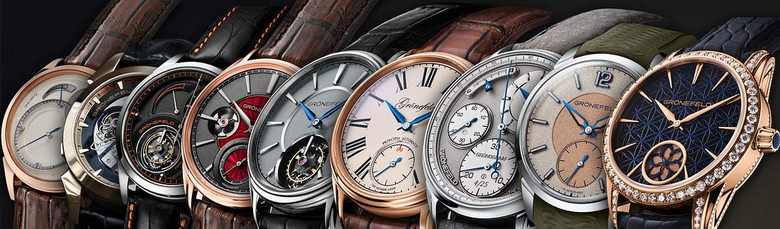
From Oldenzaal, a small Dutch city near the German border, brothers Bart and Tim Grönefeld built one of the most respected names in independent watchmaking.
Listen Four Generations of Grönefeld Independent Dutch Watchmaking
Their movements are immediately recognizable, combining sculpted stainless steel bridges, meticulous hand finishing and inventive mechanisms that solve real mechanical problems.
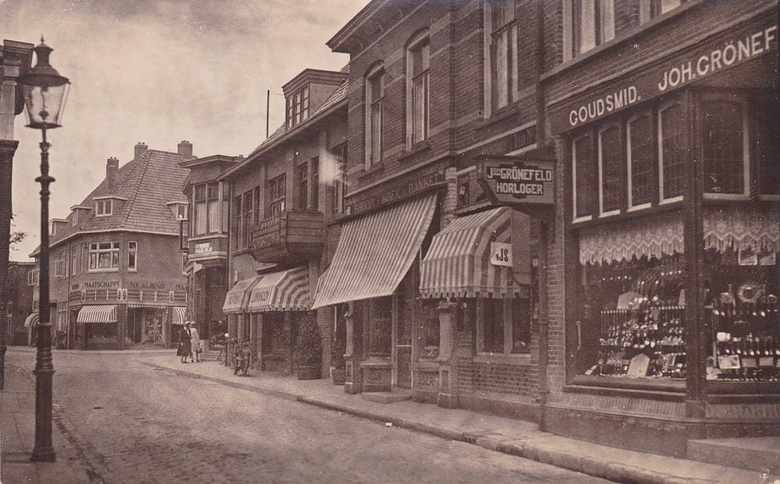
The family story began in 1912 and is now entering its fourth generation. Bart and Tim Grönefeld strengthened that heritage with advanced Swiss training and years spent working on demanding complications, before launching their own brand. Three Grand Prix d’Horlogerie de Genève awards later, Grönefeld belongs in any serious discussion of the world’s finest watch movements.
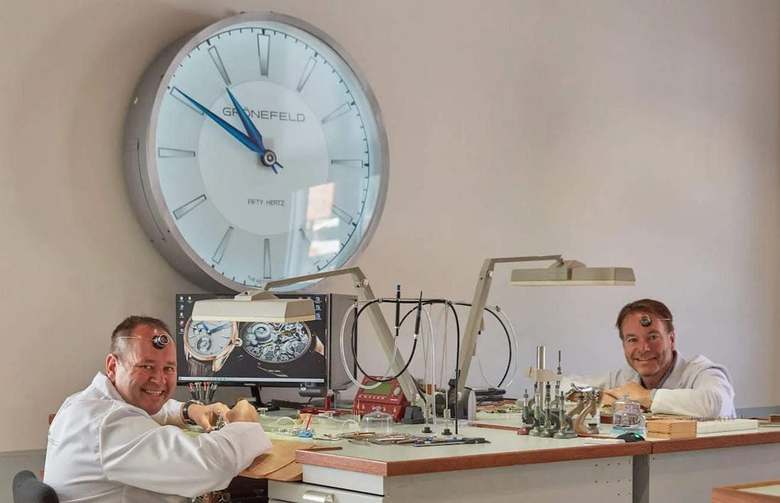
TABLE OF CONTENTS
- Four Generations of Watchmaking
- How Bart and Tim Mastered Complications
- What Makes a Grönefeld Movement Different
- The Watches That Built the Reputation
- Grönefeld’s Most Approachable Watch
- Does Grönefeld Make the Best Movements?
1. FOUR GENERATIONS OF WATCHMAKING
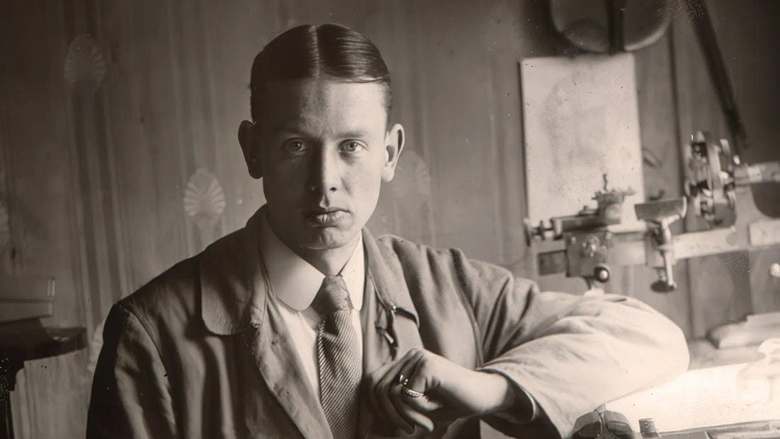
The Grönefeld story began in 1912, when Johan Grönefeld established the family’s watchmaking business in Oldenzaal. He also cared for the clock in the tower of the nearby Basilica of St. Plechelmus. His son Sjef continued the trade, and his grandsons Bart and Tim became the third generation to work as watchmakers.
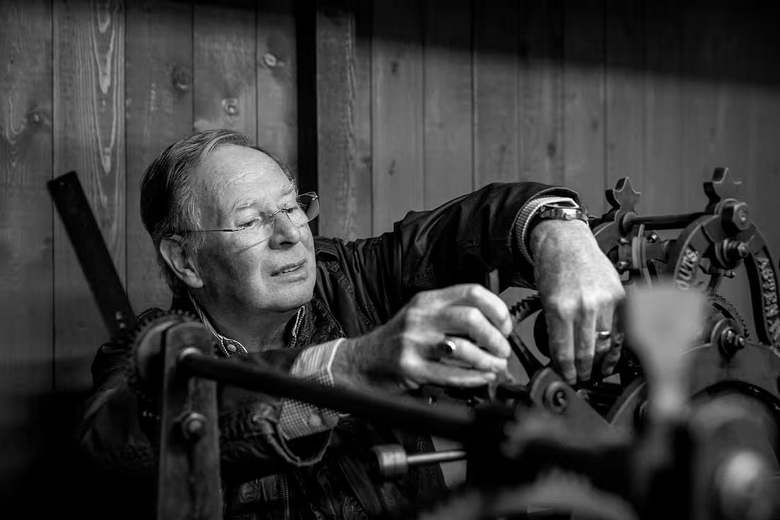
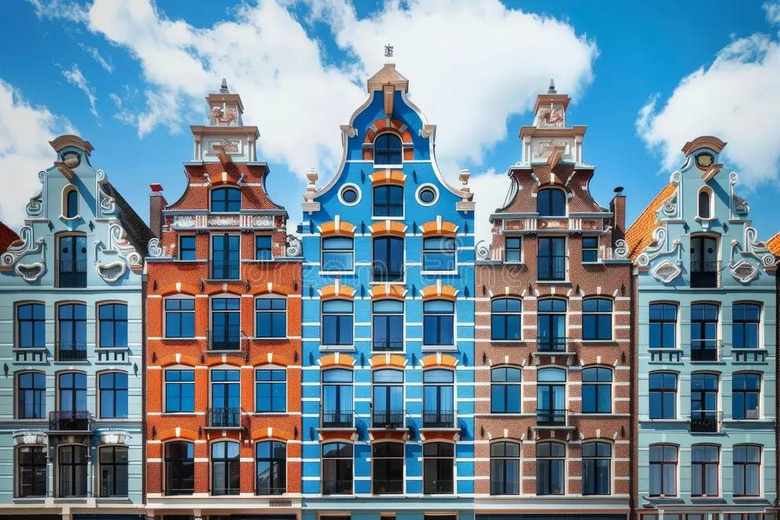
That history still shapes the modern brand. The 1941 collection is named for the year Sjef was born, while the movement bridges recall the bell-gabled façades found in traditional Dutch architecture. The family’s experience with the basilica clock also helped inspire the use of constant-force mechanisms in the brothers’ wristwatches.
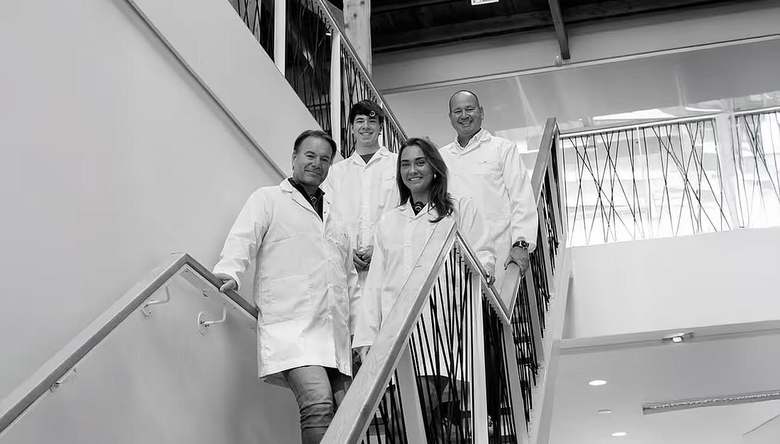
The story is now moving into a fourth generation. Bart and Tim’s children began watchmaking training at the company in 2024. They also appeared with the brothers at the 2026 Watches and Wonders, showing that the next chapter is already beginning inside the atelier.
Few independent watchmakers can point to more than a century of continuous family involvement. At Grönefeld, heritage is not simply a date printed in advertising. It continues to influence the people, movements and visual identity of the watches.
2. WHAT MAKES A GRÖNEFELD MOVEMENT DIFFERENT
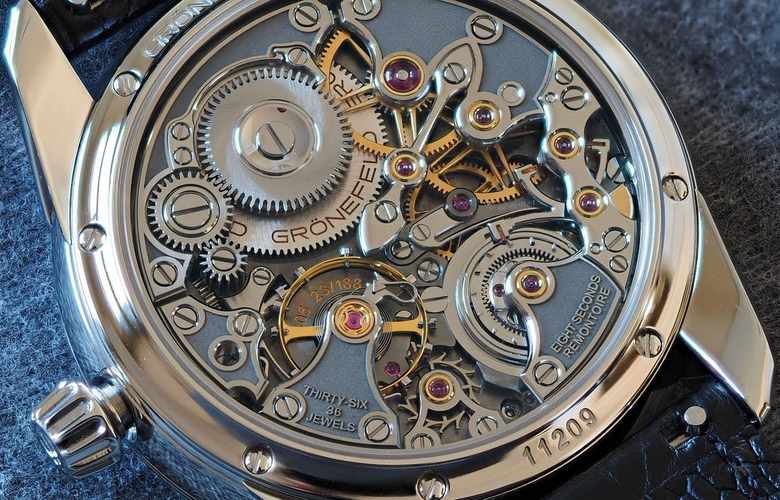
Plenty of independent watchmakers finish movements beautifully. Grönefeld’s advantage is that the architecture itself is original. Its broad bridges are made from stainless steel rather than the brass or German silver commonly used for movement construction. Their centers are micro-blasted and circular-grained, while the bevels are polished by hand. Gold chatons, polished countersinks, relief engraving and carefully decorated wheels complete the design.
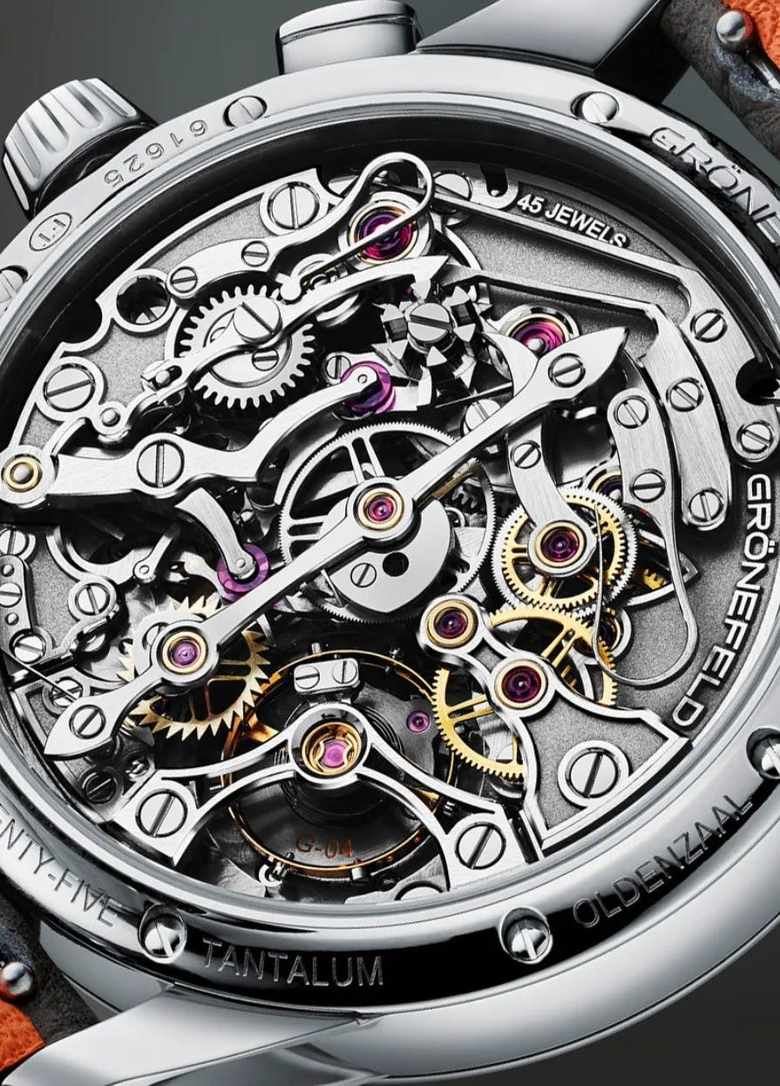
Steel is harder and less forgiving to machine and finish than more traditional bridge materials. The choice increases the difficulty of producing clean bevels and polished surfaces, but it also gives Grönefeld movements their distinctive brightness and visual weight.
The movements look architectural without becoming crowded. Enough of the mechanism remains visible for an owner to understand how the components interact, so the decoration emphasizes the engineering rather than concealing it.
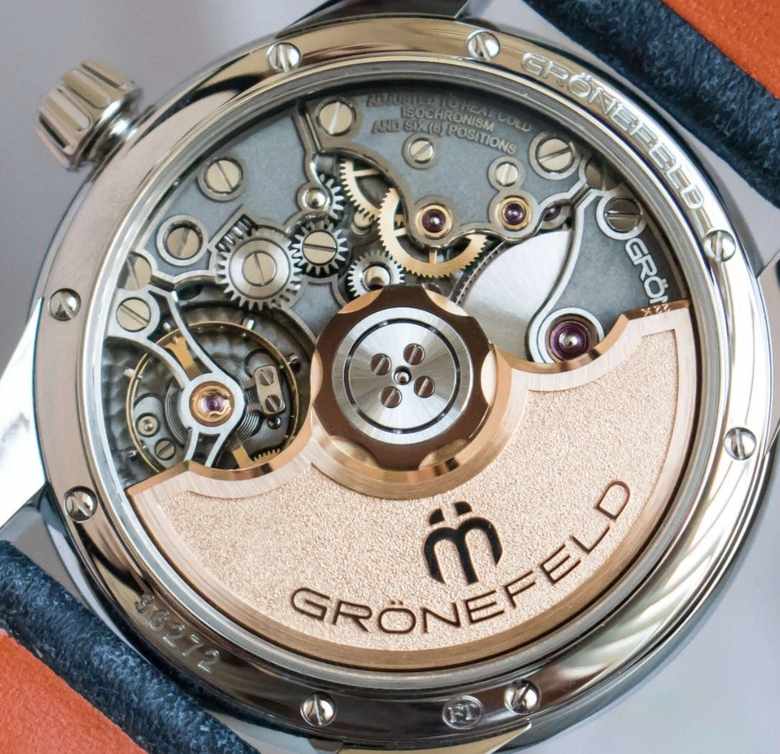
That standard takes time. The 1941 Principia, with a comparatively less complex movement, requires about five weeks to decorate and assemble, only a few days less than the more complicated now discontinued 1941 Remontoire.
Grönefeld’s annual output historically remained in the dozens rather than the hundreds or thousands. Production is at roughly 80 watches a year, with expansion approached cautiously because increasing volume too quickly could compromise the finishing that built the company’s reputation.
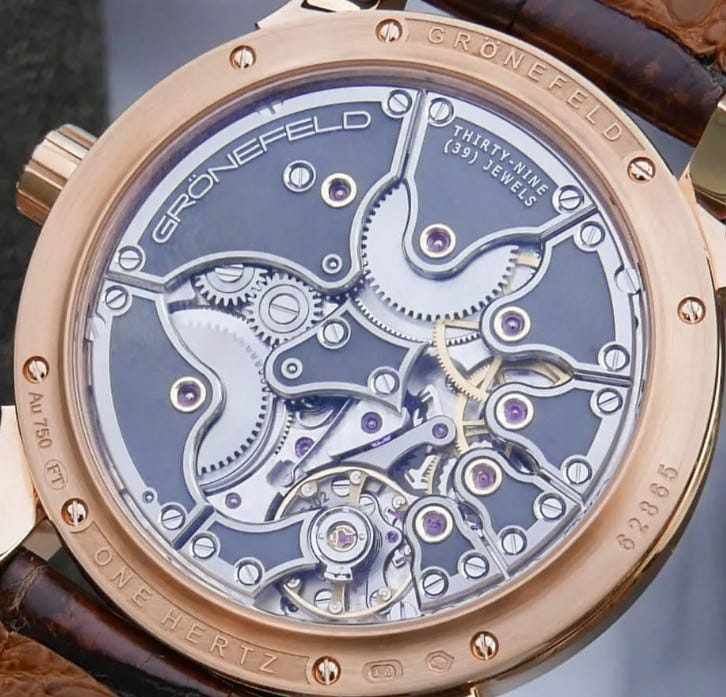
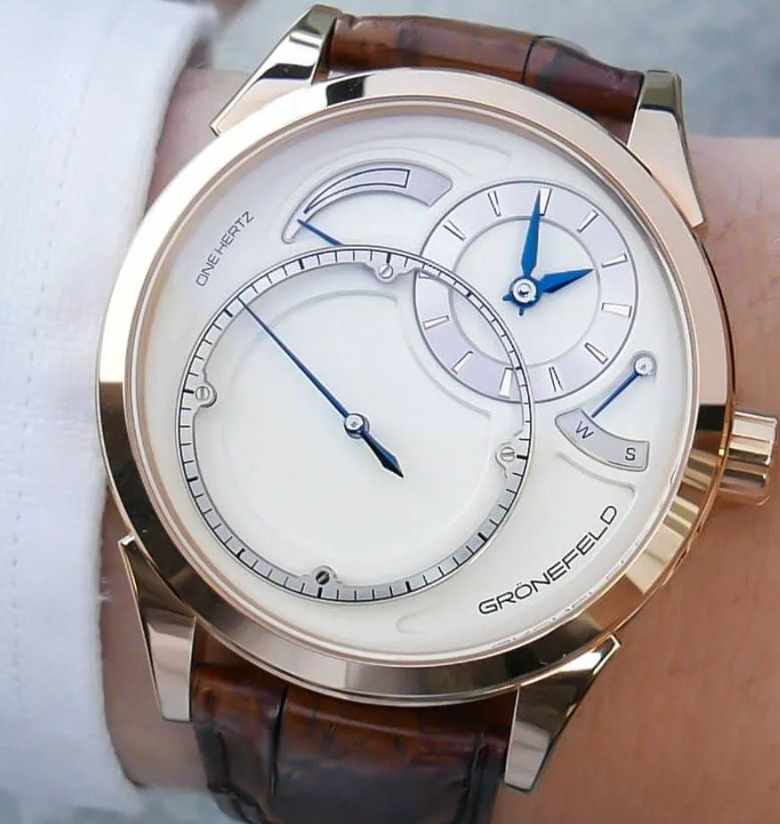
The engineering beneath those surfaces is equally important. The now discontinued One Hertz used an independent dead-seconds mechanism, allowing its seconds hand to jump once per second from its own gear train and power source. The 1941 Remontoire used an eight-second constant-force mechanism designed to prevent the energy reaching the balance from declining as the mainspring unwinds.
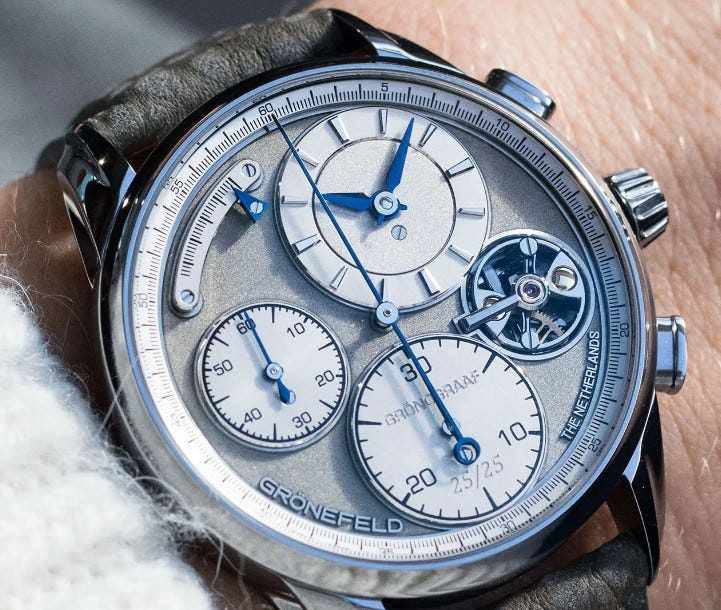
The 1941 Grönograaf chronograph addresses a different problem. Chronograph hands normally snap back to zero, creating forces that may stress the mechanism. Grönefeld added a centrifugal governor, a device more commonly found in minute repeaters, to slow and soften the reset.
These are not complications included merely to lengthen a specification sheet. Each one addresses a real mechanical concern and turns the solution into part of the watch’s character.
3. THE WATCHES THAT BUILT THE REPUTATION
Grönefeld’s record at the Grand Prix d’Horlogerie de Genève tells the story of the brand’s excellence.
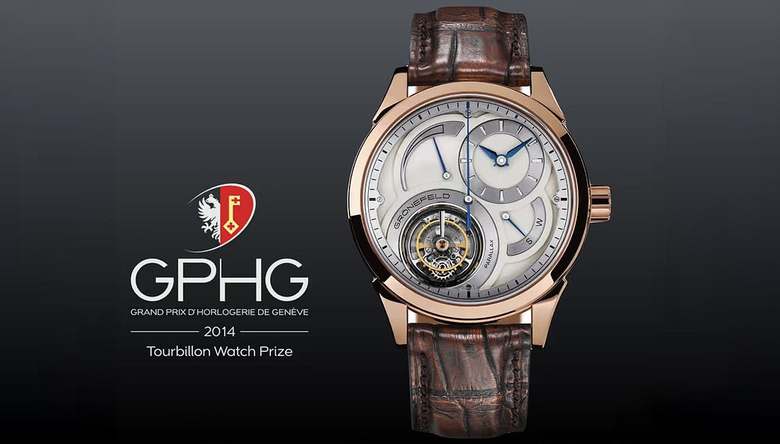
The now discontinued Parallax Tourbillon won the Tourbillon Watch Prize in 2014. The now discontinued 1941 Remontoire received the Men’s Watch Prize in 2016, and the 1941 Grönograaf earned the Chronograph Watch Prize in 2022.

Three awards across three categories demonstrate unusual range. especially for a smaller independent watchmaker. Grönefeld was not repeatedly rewarded for variations on one successful model. The judges recognized the brothers’ work on a tourbillon, a constant-force watch and a chronograph.
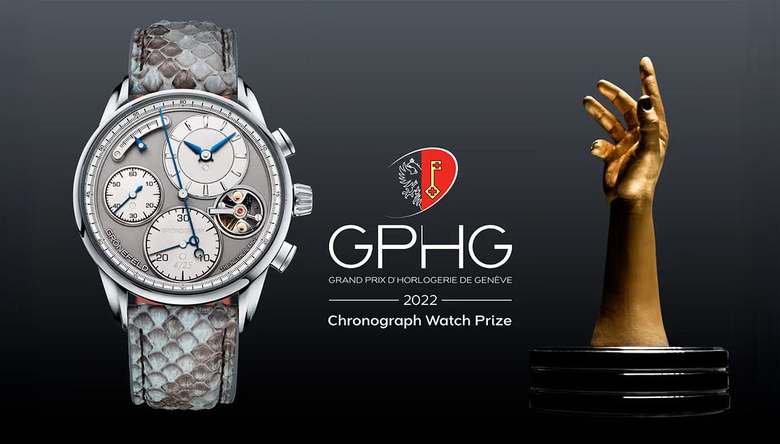
The production numbers also reveal the company’s scale. The first 1941 Grönograaf edition was made in tantalum, now discontinued, and limited to 25 pieces, followed by 188 watches in stainless steel, still in production. Rarity alone does not make a watch important. In Grönefeld’s case, scarcity is a consequence of the labor involved, not a substitute for substance. The watches are difficult to obtain because the movements take time to finish, assemble and regulate.
4. GRÖNEFELD’S MOST APPROACHABLE WATCH
Introduced in 2018, the 1941 Principia was Grönefeld’s first automatic three-hand watch and remains the most approachable model in its main collection.
“Approachable” is relative, at €44,900 in stainless steel, €57,750 in red gold and €59,950 in white gold, excluding taxes and shipping. High demand and limited production capacity prevent Grönefeld from accepting ordinary orders for the time being. Interested buyers are directed toward a wait list, and the completion can take months or even years.
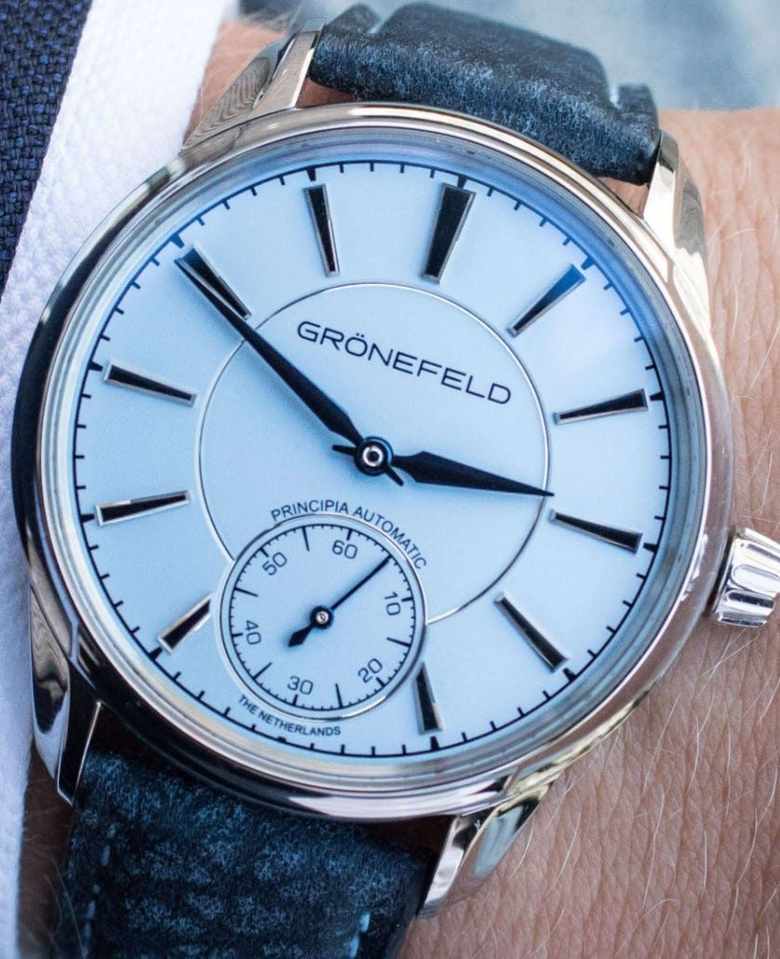
The 1941 Principia removes the tourbillon, remontoire and chronograph, but it does not remove the workmanship. Its automatic G-06 movement contains 226 components and provides a 56-hour power reserve. It uses a solid 22-karat gold rotor, 31 jewels, partially set in solid-gold chatons, and the same stainless steel bridges with hand-polished bevels, micro-blasted centers and circular graining found throughout the brand. Each movement is finished and assembled by hand and carries an individually numbered gold plate.
Its five-week decoration and assembly period may be the clearest explanation of Grönefeld’s pricing. Even when the brothers remove the major complications, the time-consuming finishing remains. The 1941 Principia is simpler mechanically, but it is not treated as a lesser watch. That is what makes it such a revealing entry point into the brand. Buyers are paying less for complexity, not for reduced attention to the movement.
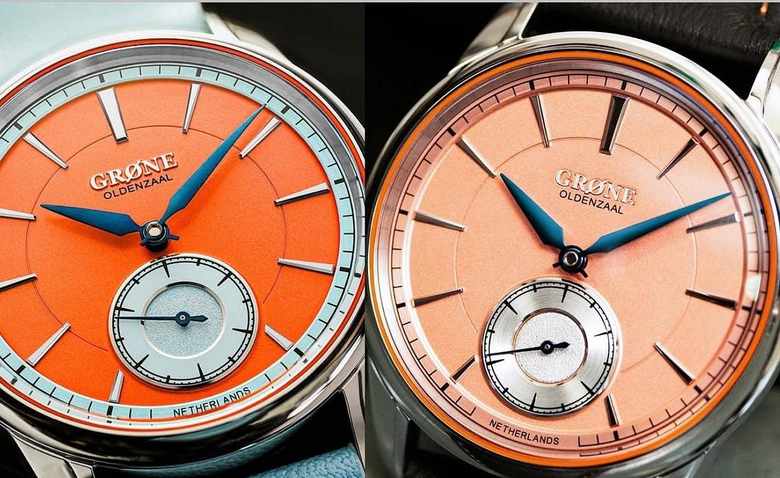
Read The GRØNE Horologium: Gone in Six Minutes
5. DOES GRÖNEFELD MAKE THE BEST MOVEMENTS?
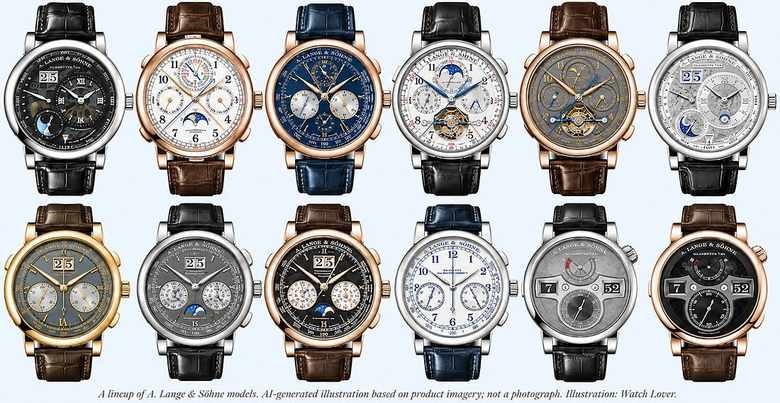
There is no objective way to name one watchmaker the best. Philippe Dufour represents one ideal of traditional hand finishing. F.P. Journe approaches chronometry and movement construction differently. Kari Voutilainen and Greubel Forsey offer their own interpretations of mechanical and decorative excellence. A. Lange & Söhne’s movements, especially those powering its Triple Split, Double Split, Datograph and Zeitwerk references, are renown for their complexity. Grönefeld’s case rests on the balance it achieves.
The movements are beautifully finished, but they are not decorative shells built around conventional ideas. Their mechanisms are inventive and purposeful. Their architecture is immediately recognizable, and the family history genuinely influences the watches rather than simply surrounding them with a convenient story.
The company also remains small enough for Bart and Tim Grönefeld’s point of view to stay visible. The shape of the bridges, the independent seconds train and the controlled chronograph reset all feel like decisions made by working watchmakers, not features selected by a distant marketing department.
Grönefeld may not make the single, undisputed best movement in the world. No company can prove that title. But the combination of original engineering, difficult hand finishing, Dutch identity and four generations of family involvement places Grönefeld firmly among the finest movement makers working today.
All images courtesy of Grönefeld
Next up: The GRØNE Horologium: Gone in Six Minutes
ABOUT
Watch Lover XO is written by two collectors who wear and follow watches, from everyday favorites to rare independent pieces. We cover the secondary market, new releases and the watchmakers behind them.
For more images and videos, follow watchlover.xo on Instagram.