Girard-Perregaux: Making the Invisible Visible
The history of Girard-Perregaux, the Laureato, and our personal connection to the Swiss manufacture

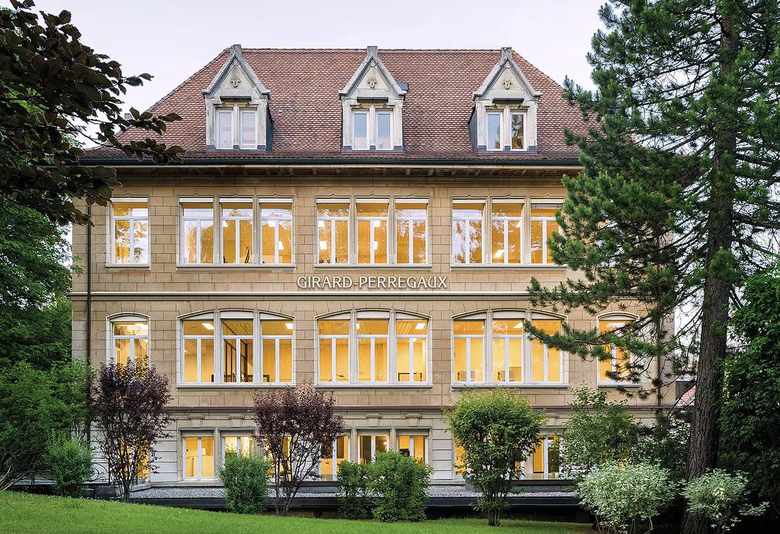
Girard-Perregaux is one of Switzerland’s oldest watch manufactures. Its contributions include the Three Gold Bridges, high-frequency mechanical movements, the frequency that became the quartz industry standard, the Laureato, and the Constant Escapement.
We own two Girard-Perregaux Laureatos with “Clous de Paris” dials. One is the Laureato Fifty 36mm, the other is the Laureato Chronograph Ice Blue 42mm, a limited edition of 180 pieces.
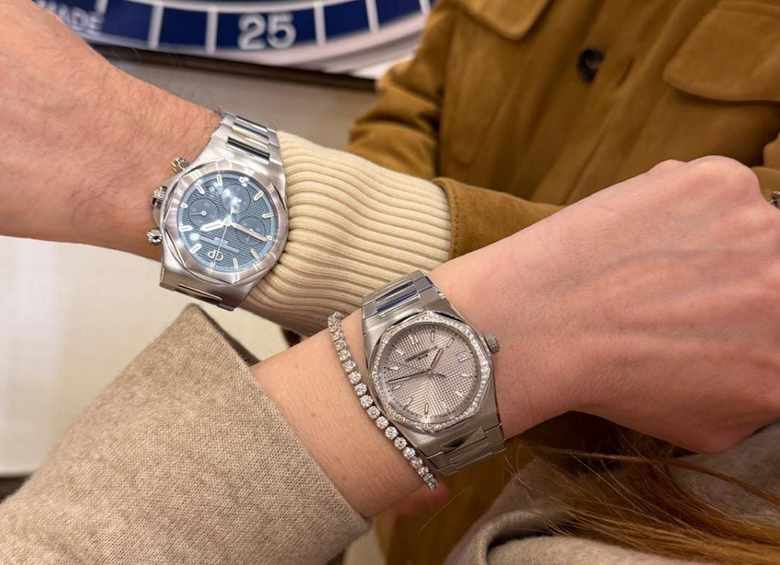
The watches have very different personalities, but their shared design is immediately recognizable. Both have the “Clous de Paris” dial, an octagonal bezel, a circular dial, an integrated bracelet with a combination of polished and brushed surfaces.
Listen Girard-Perregaux: Making the Invisible Visible
We met Patrick Pruniaux, CEO of Girard-Perregaux and the Sowind Group, at two events he hosted along with Wempe in New York. Those events gave us the opportunity to meet the person leading the manufacture during its current period of independence.
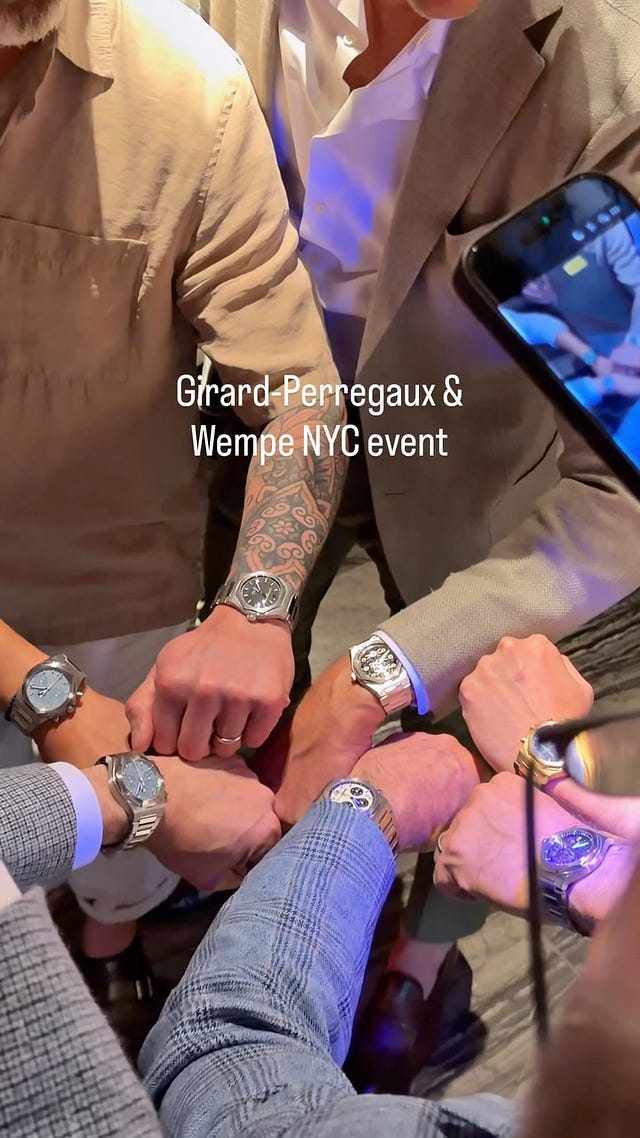
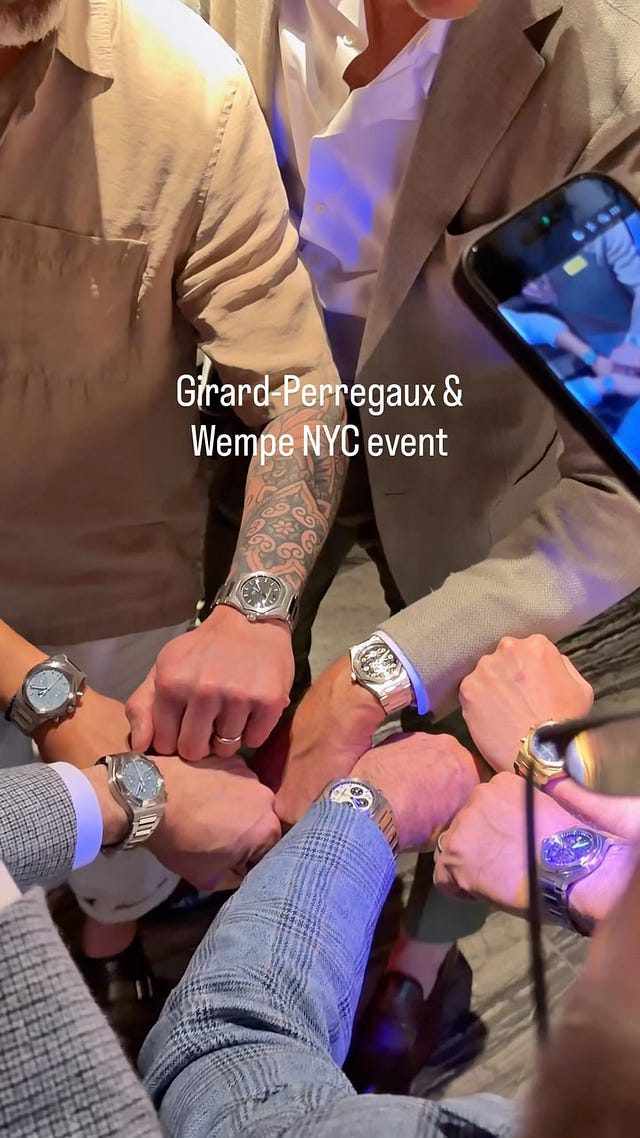
Our interest in Girard-Perregaux grew through owning and wearing the watches, studying the company’s history, and meeting the people connected to the manufacture.
THE EARLY HISTORY OF GIRARD-PERREGAUX
Girard-Perregaux traces its origins to 1791 and Jean-François Bautte, a Geneva watchmaker, goldsmith, and entrepreneur. His workshops brought together movement production, case work, engraving, and jewelry. This was an early form of integrated watch manufacturing. Bautte became known for producing ultra-thin watches and elaborate mechanical objects for an international clientele.
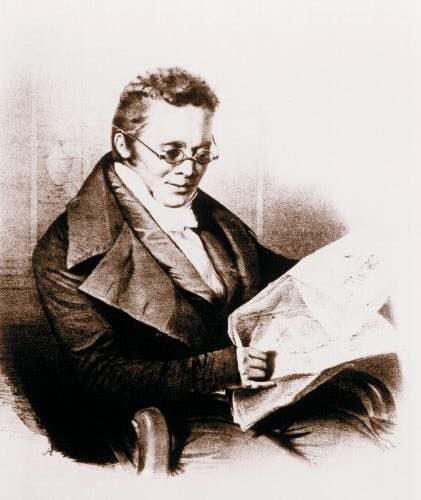
The Girard-Perregaux name appeared after Constant Girard married Marie Perregaux. The company was established in La Chaux-de-Fonds in 1856.
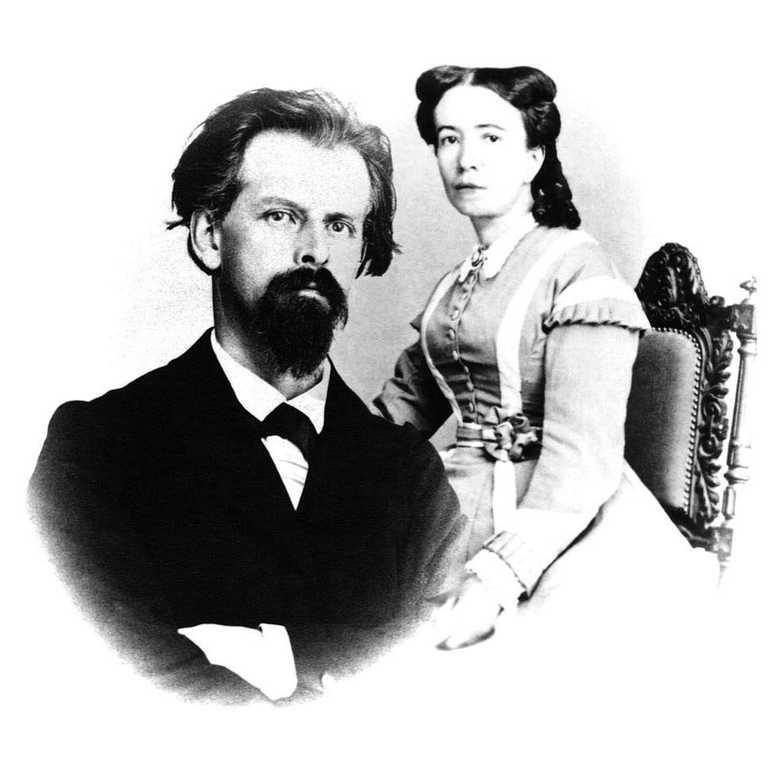
Girard-Perregaux played an early role in the development of the wristwatch. During the late nineteenth century, the company produced a substantial series of wristwatches for German naval officers.
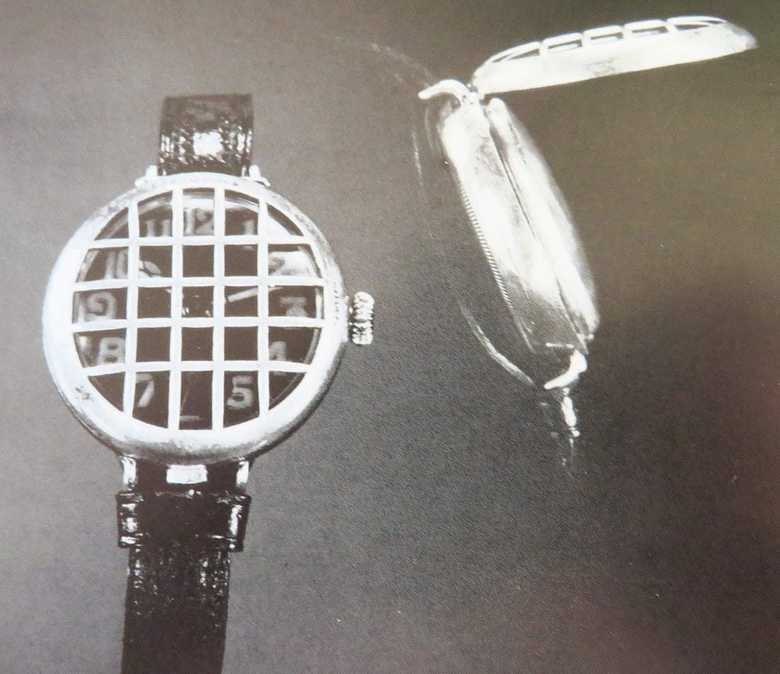
Most men still used pocket watches at the time, and since naval duties required the use of both hands, the pocket watch was inconvenient. Wearing a watch on the wrist allowed an officer to check the time quickly while continuing to work.
THE THREE GOLD BRIDGES
During the 1860s, Constant Girard developed a tourbillon movement constructed beneath three parallel bridges. These bridges secured the barrel, gear train, and regulating organ. Instead of treating them only as structural components, Girard made them central to the appearance of the movement.
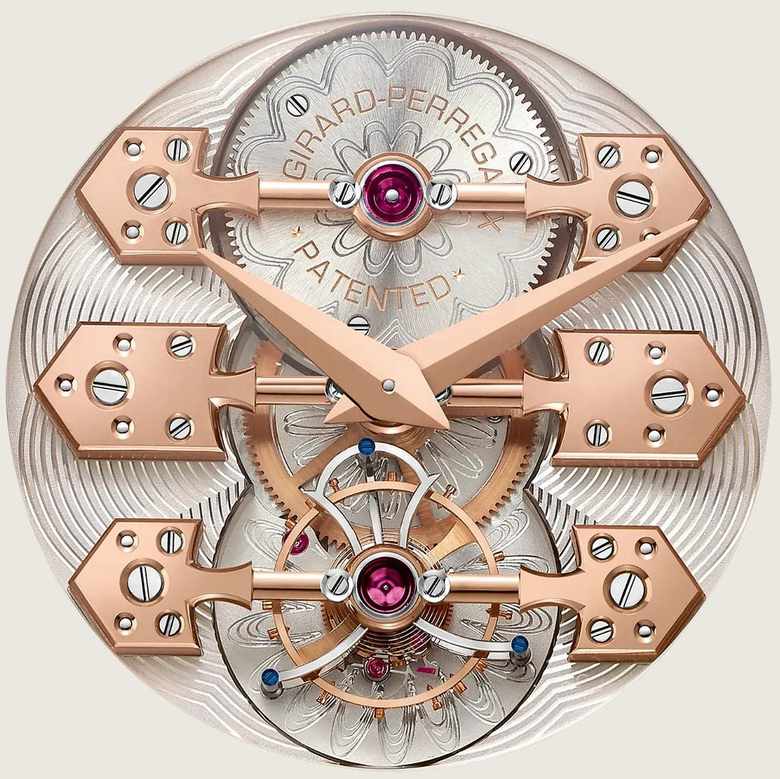
Girard patented the refined three-bridge design in the United States in 1884. Five years later, his celebrated La Esmeralda pocket watch received a gold medal at the Paris Universal Exposition. Its movement featured three parallel, arrow-shaped bridges made of gold.
The design established a design identity that Girard-Perregaux continues to use today. The bridges allow the viewer to understand the organization of the movement while also providing balance and visual structure.
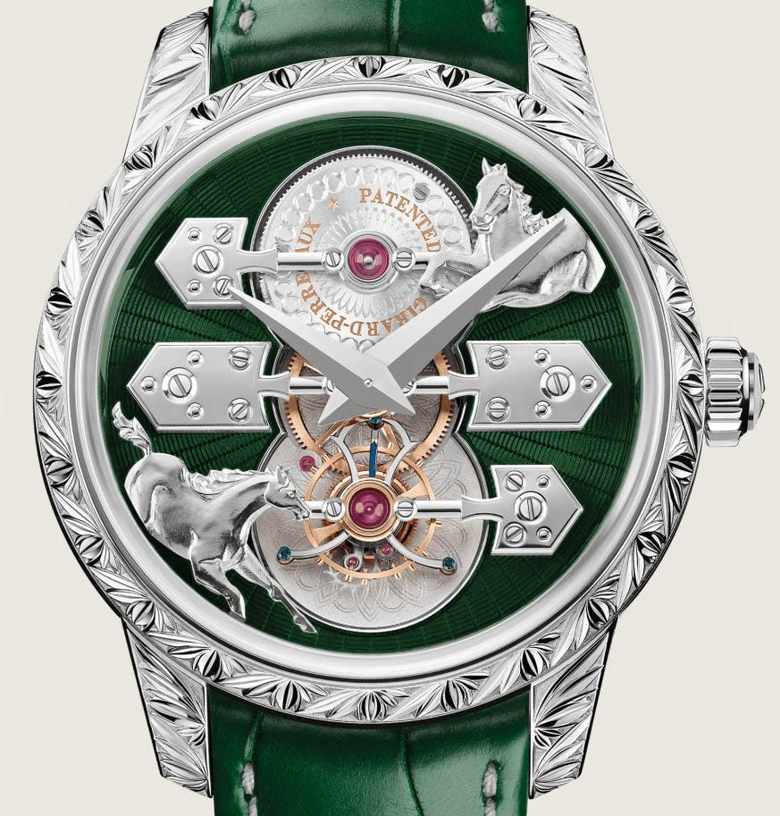
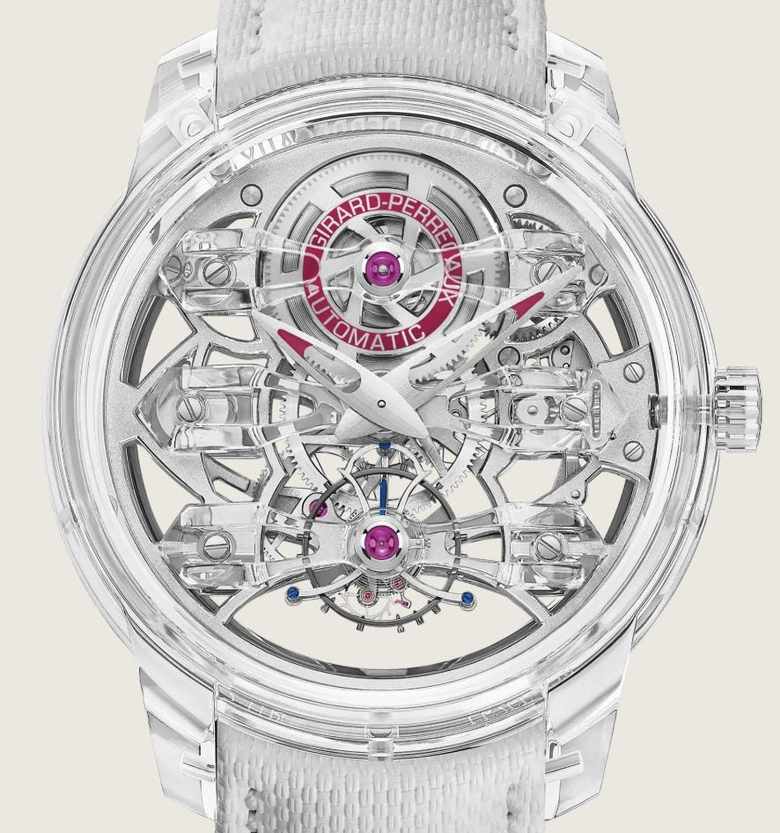
Girard-Perregaux describes this approach as “making the invisible visible.” The same idea appears in the company’s modern Bridges collection and several of its current movements.
GIRARD-PERREGAUX AND THE PURSUIT OF PRECISION
In the 1950s, Girard-Perregaux introduced the Gyromatic automatic-winding system. This work eventually produced the Gyromatic HF, one of the early high-frequency mechanical movements. It operated at 36,000 vibrations per hour.
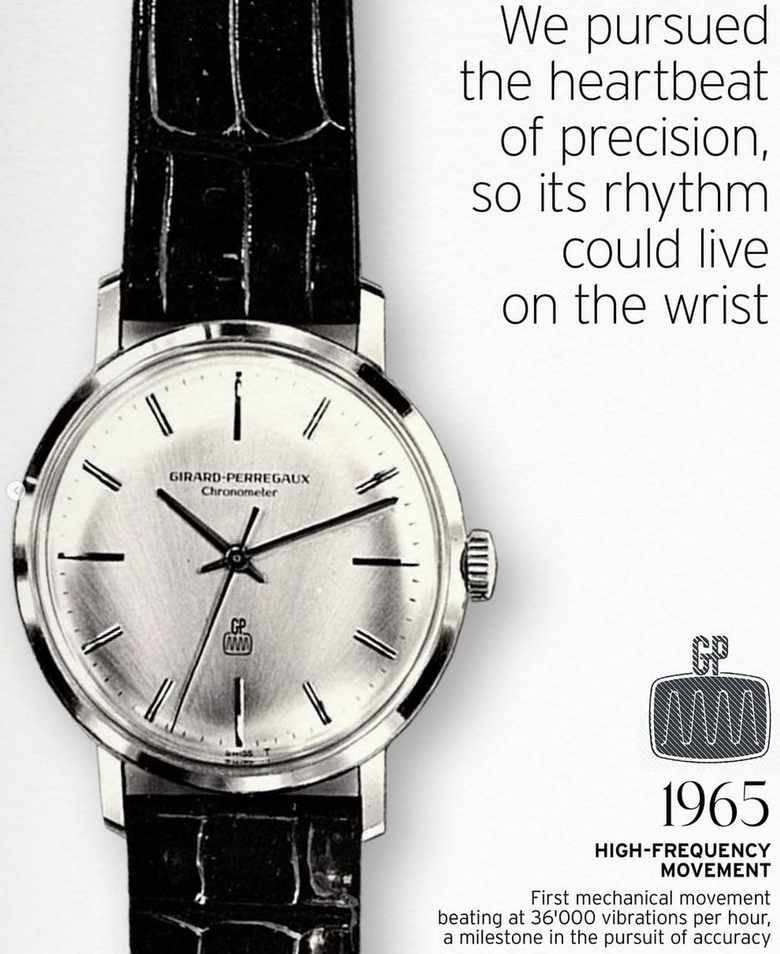
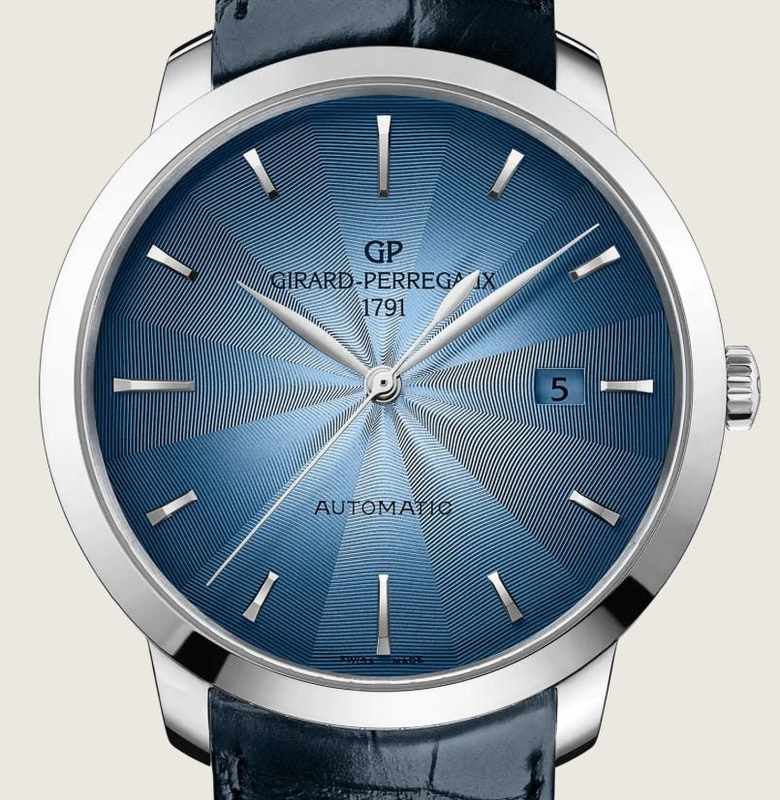
In 1966 the manufacture’s achievements in precision were recognized, when it received the Centenary Prize of the Neuchâtel Observatory. The present-day 1966 collection takes its name from this period.
In 1971, Girard-Perregaux introduced a quartz movement operating at 32,768 Hz. The frequency could be divided efficiently to produce a one-second impulse and became the standard used throughout the quartz-watch industry.
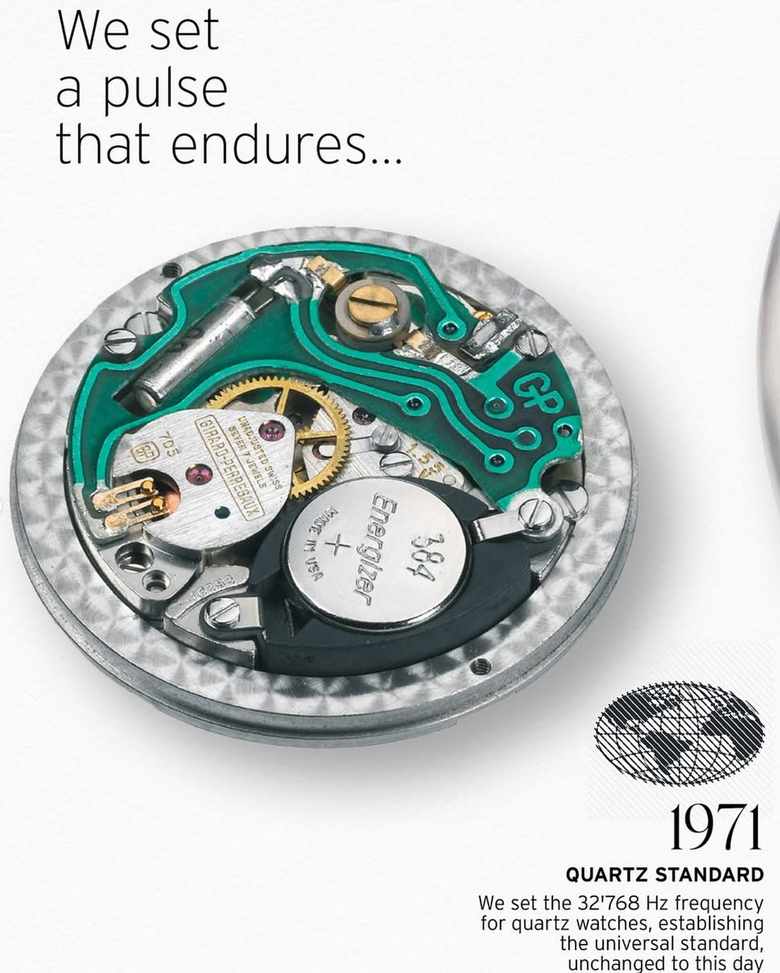
These developments show the range of Girard-Perregaux’s technical work, from mechanical chronometry to electronic timekeeping.
THE GIRARD-PERREGAUX LAUREATO
Girard-Perregaux introduced the Laureato in 1975. It was one of the early integrated-bracelet luxury sports watches of that decade and was developed internally by the manufacture.
Girard-Perregaux Laureato 1975 to today
The design combines an octagonal bezel with a circular base, a flowing case, and an integrated bracelet. Brushed surfaces are bordered by polished bevels, and many versions have a “Clous de Paris” dial that adds depth and texture.
The Laureato looks clean and balanced from a distance. A closer view shows how the bezel, case, dial, and bracelet respond differently to light. These details give the watch visual interest without making the design feel crowded.
The original Laureato used a highly precise quartz movement, which connected it directly to Girard-Perregaux’s work in quartz technology. Later generations adopted mechanical manufacture movements while retaining the original design language.
Girard-Perregaux Laureato movements over time
The proportions have changed over the past five decades, but the watch remains easily identifiable. The design supported a wide range of case sizes, materials, complications, and dial treatments.
OUR TWO GIRARD-PERREGAUX LAUREATOS
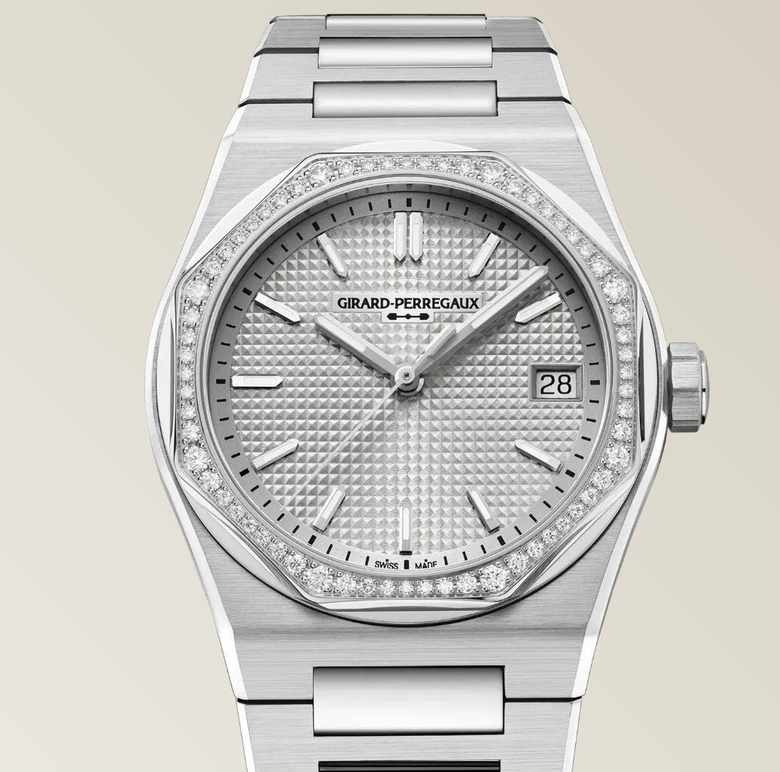
Our diamond-bezel Laureato Fifty 36mm emphasizes the more elegant side of the design. The diamonds follow the octagonal shape of the bezel, and the silver “Clous de Paris” dial adds texture without overwhelming the watch. The integrated bracelet gives it enough presence for everyday wear, while the diamonds also make it suitable for more formal settings.
Girard-Perregaux Laureato Fifty 36mm
Our Girard-Perregaux Laureato Chronograph Ice Blue 42mm has a more assertive character. Its ice-blue “Clous de Paris” dial was a new color for the Laureato when the watch was introduced. The chronograph counters have concentric circular patterns that separate them from the texture of the main dial while preserving the monochromatic appearance.
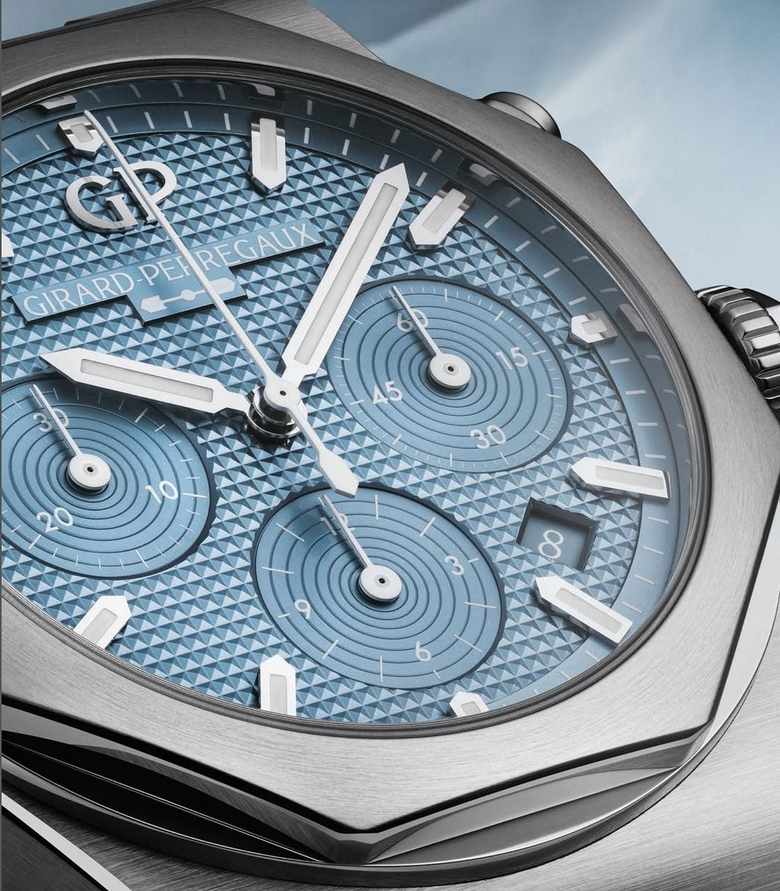
The watch has a 42mm case and integrated bracelet made from 904L stainless steel. Alternating polished and satin-finished surfaces emphasize the shapes of the bezel, case, and bracelet. The automatic Caliber GP03300 powers the chronograph, date display, and small seconds.
The ice-blue dial gives the watch a distinctive appearance without changing the established Laureato design. Its limited production also makes it a particularly uncommon version of the Laureato Chronograph.
Living with these two watches helped us understand the flexibility of the Laureato design. The diamond-set model and the Ice Blue chronograph look and feel different on the wrist, but the octagonal bezel, integrated bracelet, and careful use of contrasting finishes connect them clearly.
GIRARD-PERREGAUX AND FORMULA 1
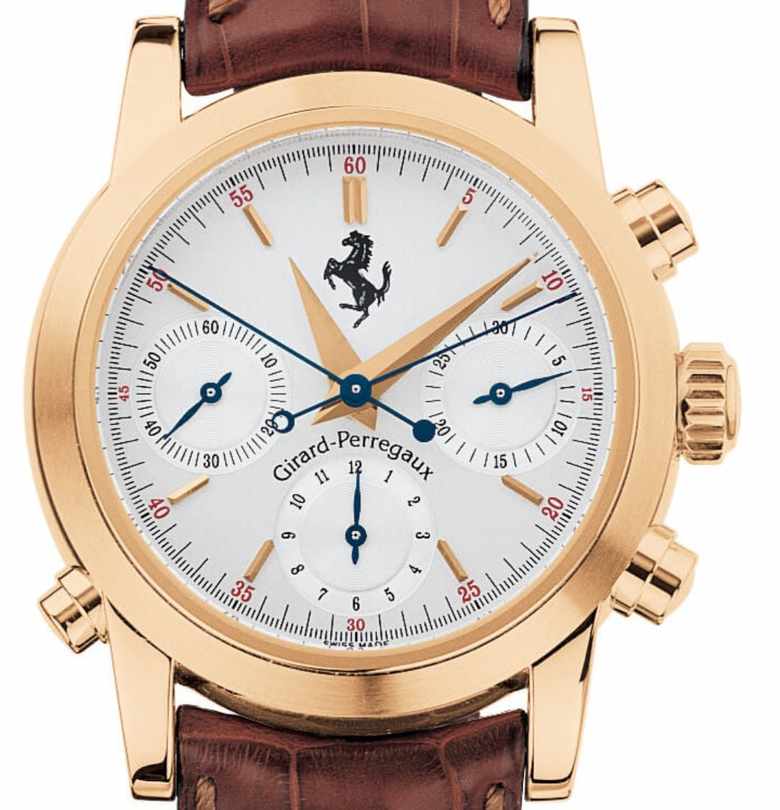
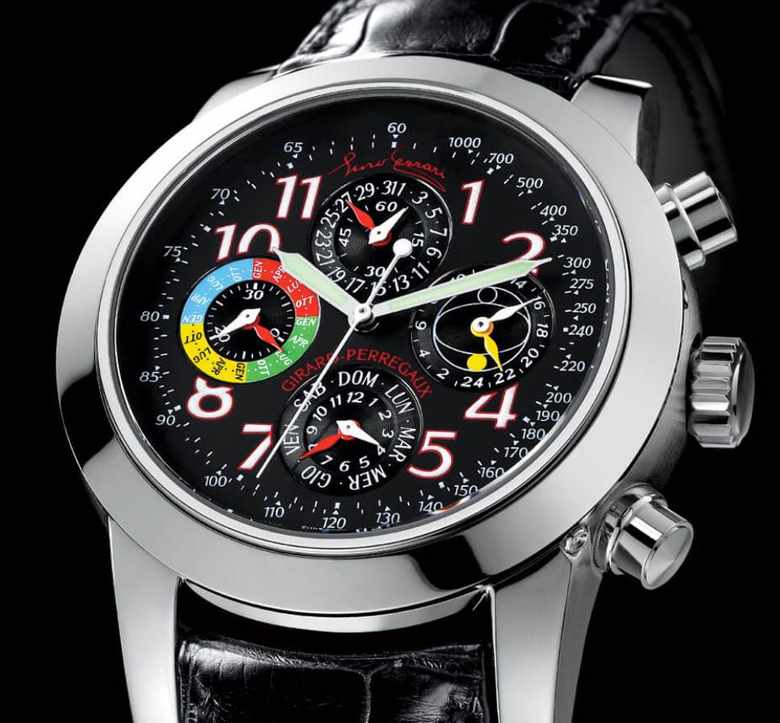
Girard-Perregaux supported motorsport for decades. Its partnership with Ferrari ran from 1994 through 2004 and produced chronographs, split-seconds chronographs, perpetual calendars, and world timers. Many of these watches drew design inspiration from specific Ferrari road and racing cars.
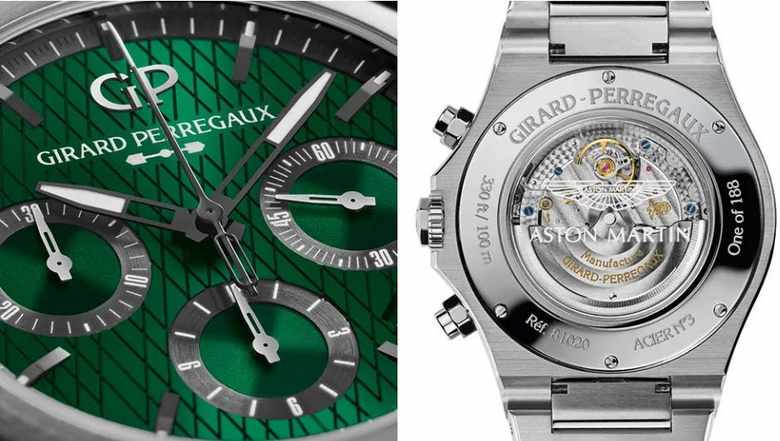
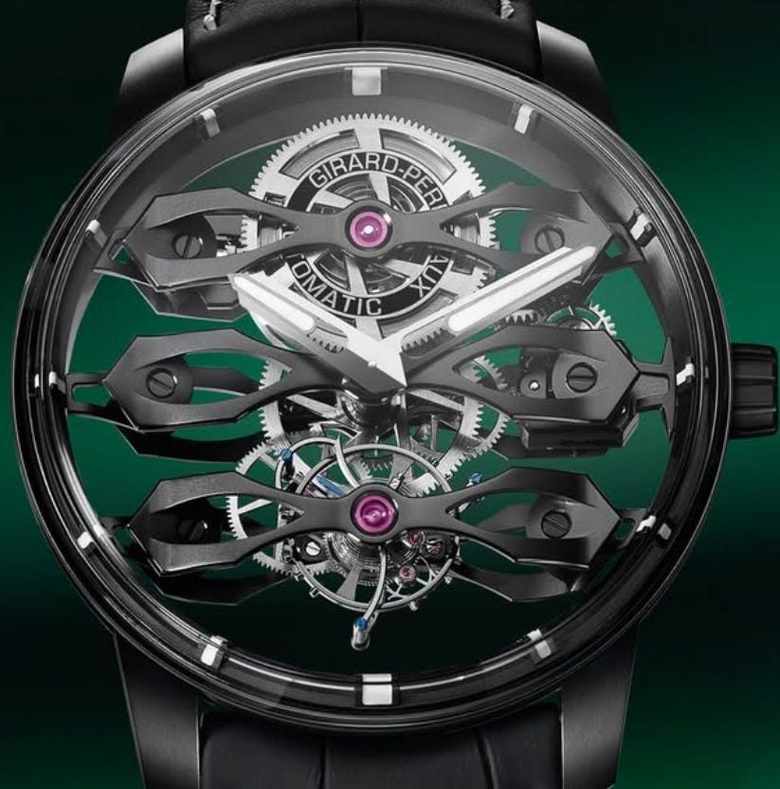
The company returned to Formula 1 in 2021 as the official watch partner of Aston Martin and its Formula 1 team. The relationship produced several limited editions, including Laureato chronographs and the Tourbillon with Three Flying Bridges Aston Martin Edition.
For the 2026 season, Girard-Perregaux began a multiyear partnership with the Atlassian Williams F1 Team as its Official Watch Partner and Chronograph.
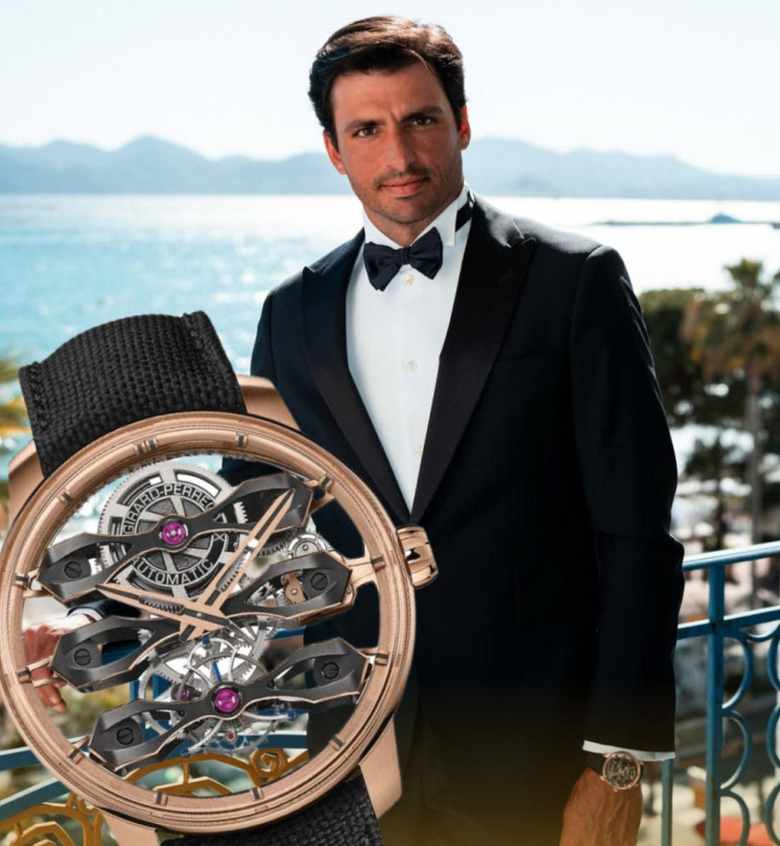
Watchmaking and racing depend on precision, timing, materials, and mechanical performance. Girard-Perregaux’s relationships with Ferrari, Aston Martin, and Williams show a sustained commitment to motorsport across several decades.
Our Laureato Chronograph Ice Blue gives us a personal connection to this part of the company’s identity. It is not an F1-branded watch, but its chronograph function and legible counters fit naturally within Girard-Perregaux’s association with racing.
PATRICK PRUNIAUX AND GIRARD-PERREGAUX’S INDEPENDENCE
In 2022, Girard-Perregaux and Ulysse Nardin returned to independent ownership through a management-led acquisition of the Sowind Group from Kering. Patrick Pruniaux led the transaction and continues to guide the two manufactures.
Pruniaux’s background includes senior positions at TAG Heuer and work at Apple during the development and introduction of the Apple Watch. His experience covers traditional Swiss watchmaking, luxury management, and consumer technology.


Meeting Pruniaux at the two Wempe New York events gave us a closer view of Girard-Perregaux’s current leadership. Collectors usually experience a watch company through its watches, boutiques, and communications. Meeting the person running the company creates a more direct connection.
Read 16 Voutilainens Under Guard at WatchTime NY 2026 and You Couldn’t Try One On.
Watches also accumulate personal associations over time. They become connected to the circumstances in which they were acquired, the places where they were worn, and the people met through collecting. Those events became part of our experience with Girard-Perregaux.
MODERN WATCHMAKING: THE GP4800 & CONSTANT ESCAPEMENT
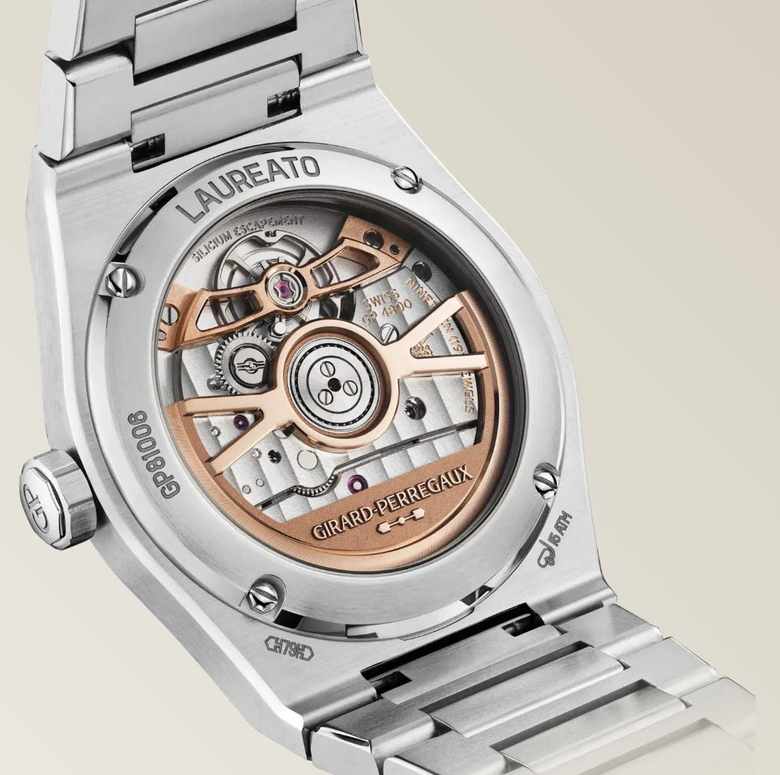
The Caliber GP4800 is an important recent development for the Laureato. It includes a silicon escapement, hacking seconds, a variable-inertia balance, and a power reserve of at least 55 hours. A skeletonized 18-karat gold rotor leaves much of the decorated movement visible.
The GP4800’s architecture includes references to the Three Bridges. Girard-Perregaux incorporated that history into the movement’s construction and finishing. The caliber now powers the latest Laureato Fifty models in 36mm and 39mm sizes.
GP4800 - Laureato Fifty Movement
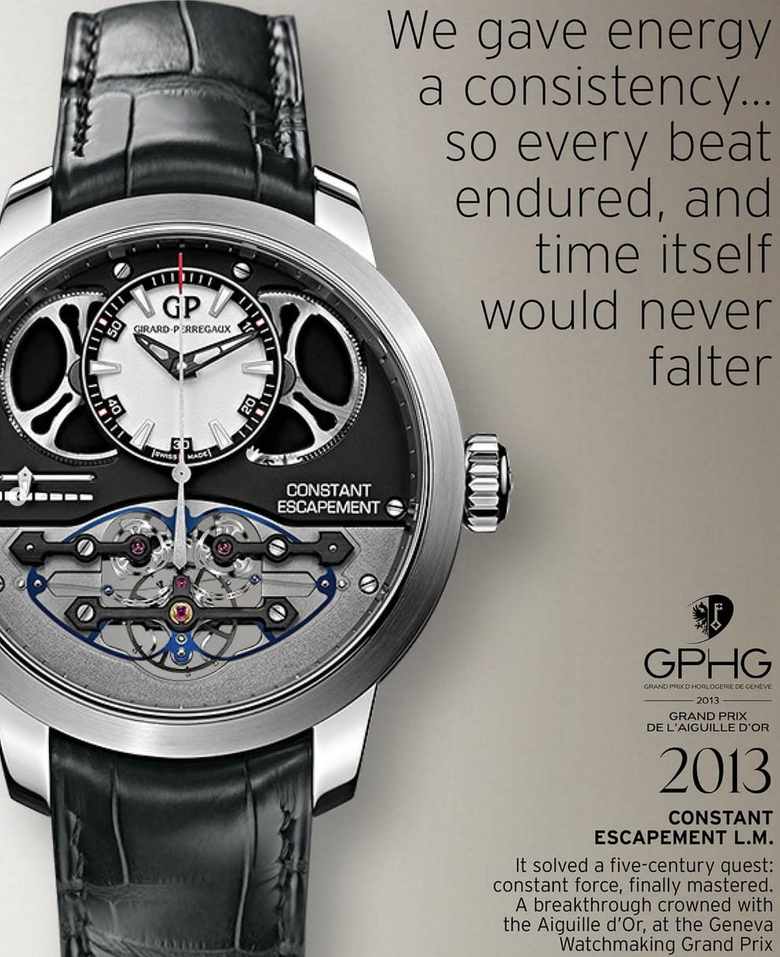
The Constant Escapement represents another area of Girard-Perregaux’s technical work. A mechanical watch receives varying levels of energy as its mainspring unwinds. Girard-Perregaux developed a system that uses a thin silicon blade buckling between two stable positions to deliver consistent impulses to the regulating organ.
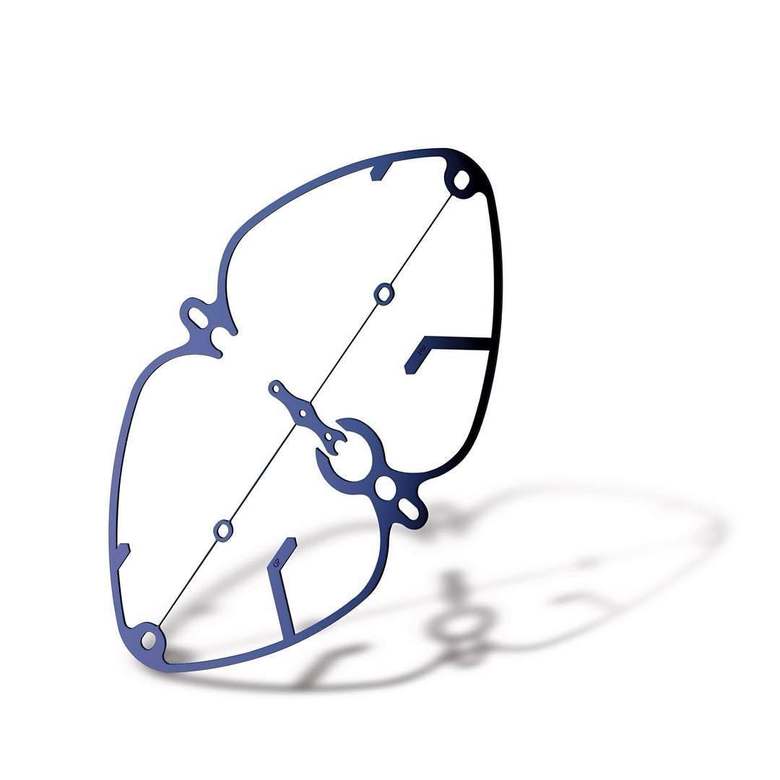
The Constant Escapement entered production in 2013 and received the Aiguille d’Or from the Grand Prix d’Horlogerie de Genève that year.
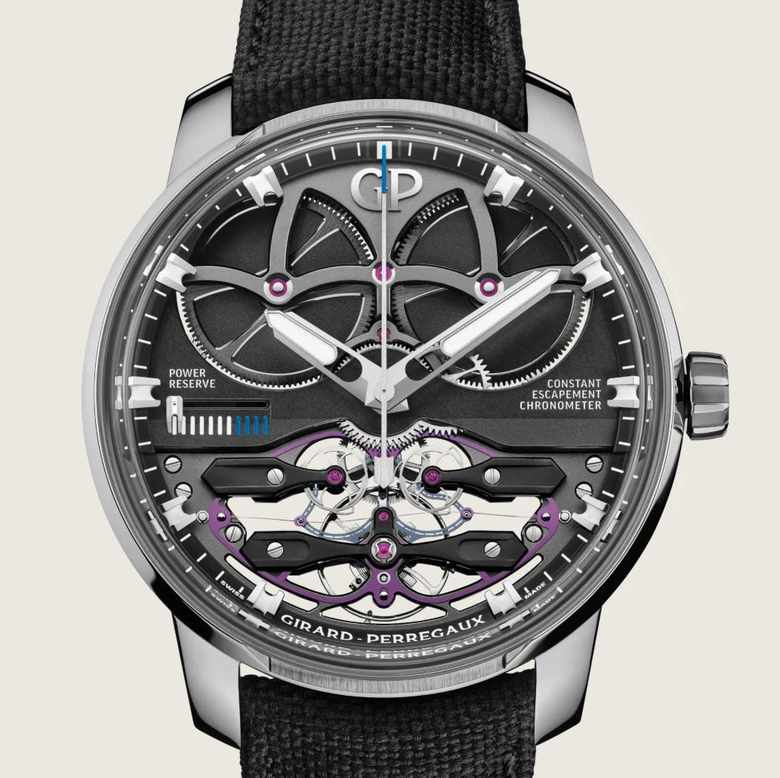
The current Neo Constant Escapement provides at least seven days of power reserve and places the mechanism at the center of the watch’s design.
WHY WE VALUE GIRARD-PERREGAUX
Girard-Perregaux’s history includes tourbillons, early wristwatches, automatic-winding systems, high-frequency chronometers, quartz movements, integrated-bracelet sports watches, and silicon escapements. A consistent interest in combining mechanical structure with visual design runs through these developments.
Our two Laureatos express that idea in watches we can wear regularly. Their construction, proportions, and finishing become easier to appreciate with time and use.
Our connection with Girard-Perregaux comes from the history we have studied, the watches we own, and the people we have met through the company. The Three Bridges provide a fitting symbol for all three. They hold the movement together while allowing the viewer to see and understand how the watch works.
That idea remains visible in Girard-Perregaux watches today.
Unless otherwise noted, images and videos courtesy of Girard-Perregaux and Watch Lover XO.
Next up: N3W5: What Former Audemars Piguet CEO François-Henri Bennahmias Is Building
ABOUT
Watch Lover XO is written by two collectors who wear and follow watches, from everyday favorites to rare independent pieces. We cover the secondary market, new releases and the watchmakers behind them.
For more images and videos, follow watchlover.xo on Instagram.